What 15 years at the BBC taught me about crisis communications

Abby Mangold Media Interview

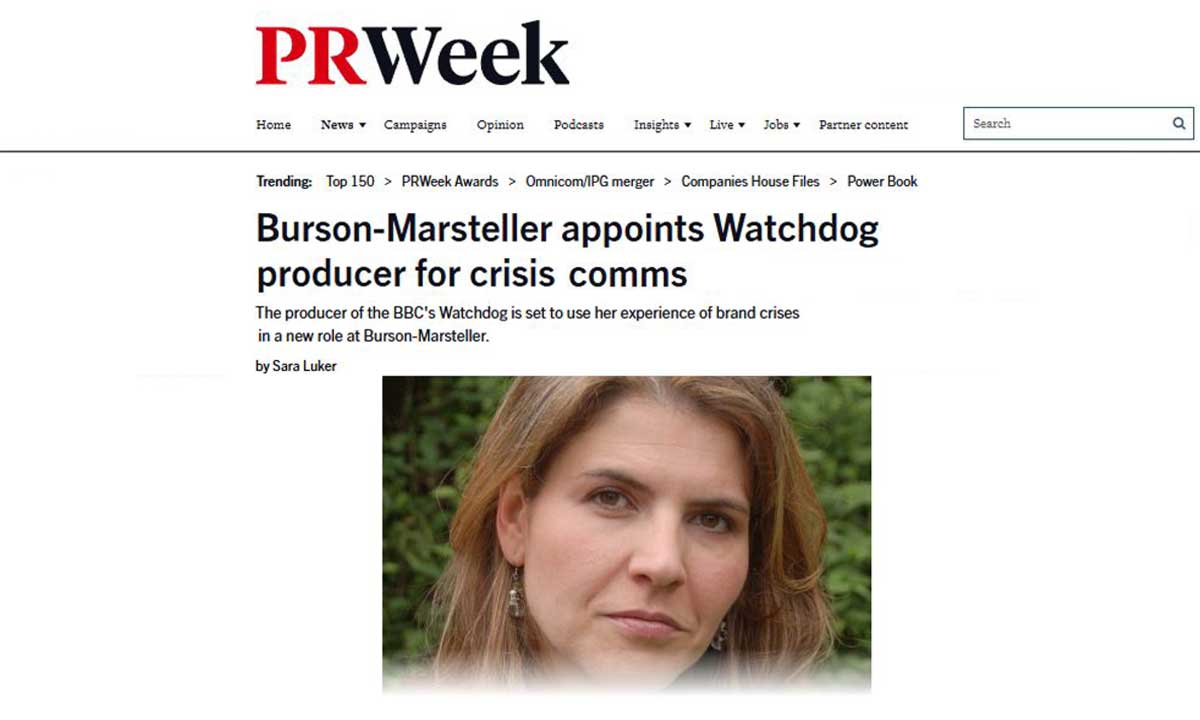
I spent 15 years at the BBC making undercover programmes like Watchdog, before moving into crisis communications.

Programmes that required journalists and lawyers and Directors of Communications all wanting different things. All under deadline pressure. All wanting to protect something – the story, the legal position, the organisation.

That’s not so different from crisis communications. You’re just wearing different hats.

The undercover work taught me how to stay calm when things are moving fast. How to manage difficult conversations with people who are angry or scared. How to balance competing interests when there’s no perfect answer.

In a crisis, you need both sides. You need the journalist’s instinct to know what the real story is. And you need the comms person’s discipline to think about how it lands with your audience.


Curious about the team behind Mangold Consultancy and how that background shapes our approach to crisis work? Get in touch, or find out more about our crisis management services.

Join the discussion on LinkedIn »


Why podcast training needs a different approach to TV

Abby Mangold Interview

What works in live TV interviews is probably not going to work in podcasts. Here’s what to do instead, and why podcast training needs to look different.

I’ve been watching this pattern for the past few years. Someone gets invited onto a podcast. They prepare the same way they would for a broadcast interview. Tight messages. Clear soundbites. Three key points to hit.

Then they sit down for ninety minutes with a host who wants to explore, not extract.

And it falls apart.

On TV, you have a few seconds. Maybe a minute or two if it’s a longer segment. The journalist asks a question, you give a disciplined answer, you pivot to your message. If you don’t want to answer something, you acknowledge and redirect.

The whole thing moves fast. You can deflect and the interview is over before anyone notices.

Podcasts don’t work like that.

You’re in a conversation, they want to hear you. The host isn’t rushing to the next segment. If you give a clipped answer, they’ll ask again. If you deflect, they’ll circle back twenty minutes later. If you keep pivoting to your message, you’ll sound like a politician and the audience will notice.

I’ve seen people show up with media training and try to stay “on message” for sixty minutes. It sounds robotic. The host gets frustrated. The conversation never finds a rhythm.

Or they do the opposite. They relax too much. They think it’s just a chat. And they say things they’d never say on camera.

Both are mistakes.

TV interviews are about control. You control your message, your time, your exposure. The format allows for that.

Podcasts are about depth. The audience is choosing to spend an hour with you. They’re not looking for soundbites. They’re looking for substance. For stories. For the parts of your thinking that don’t fit into a three-minute segment.

That requires different preparation.

You still need to know what you won’t talk about. You still need to be clear on your position. But you also need to be comfortable exploring ideas, telling longer stories, following the conversation where it goes.

Most people don’t prepare for that. They show up thinking it’s just a relaxed version of a TV interview.
It’s not.

We train people differently for podcasts. Less about message discipline, more about narrative discipline. Less about deflecting questions, more about knowing when to stop talking. Less about soundbites, more about building an argument over time.

The executives who do podcasts well, understand this. They’re not trying to control the conversation. They’re trying to have a real one whilst staying within boundaries they’ve set for themselves.

That’s harder than it sounds. Because for ninety minutes, you can’t hide behind a polished message. You have to actually think on your feet. You have to be interesting. You have to sound like a human, not a press release.
Podcast training is different.

And if you don’t adjust, the podcast will expose it.

If you’ve got a podcast appearance coming up and you’re preparing the way you would for TV, it’s worth a rethink. Get in touch to find out how our media training covers long-form formats, not just soundbites.

Join the discussion on LinkedIn »

Why crisis communications orthodoxy no longer works

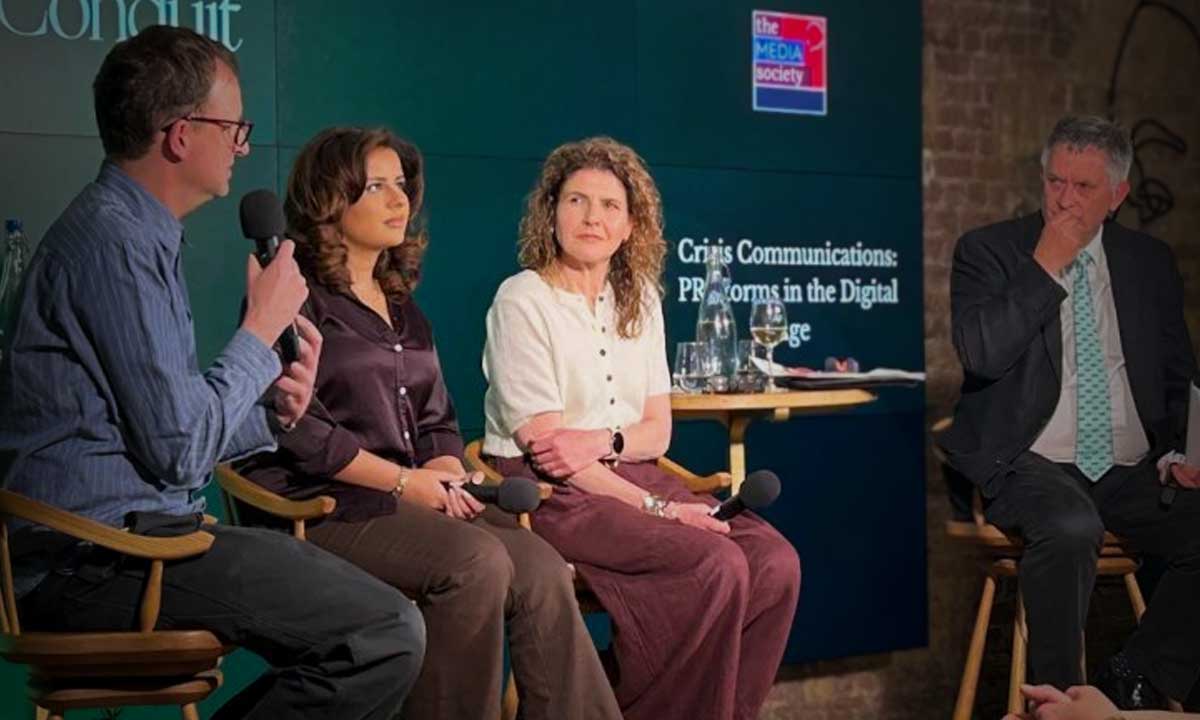
Abby Mangold at the Media Scoiety

I wrote an article for The Media Society on why crisis communications orthodoxy is no longer working.

The old rulebook assumes crises happen one at a time. That you’ll have time to establish facts, gather your team, and carefully plan your response. That internal comms will reach employees before they see it on X.

None of that is true anymore.

I’ve watched this pattern in dozens of simulations: organisations handle the first crisis competently. Then we introduce a second issue twenty minutes later: a regulatory inquiry whilst managing employee grievances, social media escalation coinciding with media pressure. The collapse happens predictably.

The problem isn’t the plan. It’s that we’ve prepped for an environment that no longer exists.

Crisis communications now happens in a permacrisis era where disparate crises interact, where misinformation spreads six times faster than truth, where one social media post can catapult you into immediate crisis mode.

Documents can’t think. They can’t adapt to unanticipated conditions. It’s people who manage a crisis, and they need to be ready.

What needs to change:

  • Practice with your people regularly
  • Use tech as your 24/7 team member for monitoring
  • Simplify – decision-making committees are the enemy in a crisis
  • Prepare spokespeople for difficult questions, not the ones they’d like to be asked
  • Own your social media spaces before the crisis hits

The full article is on The Media Society Substack.

If your crisis plan still assumes one issue at a time, it may be worth pressure testing it against something closer to reality. Get in touch to talk about crisis planning and preparation, or find out more about running a simulation with your team.

Join the discussion on LinkedIn »

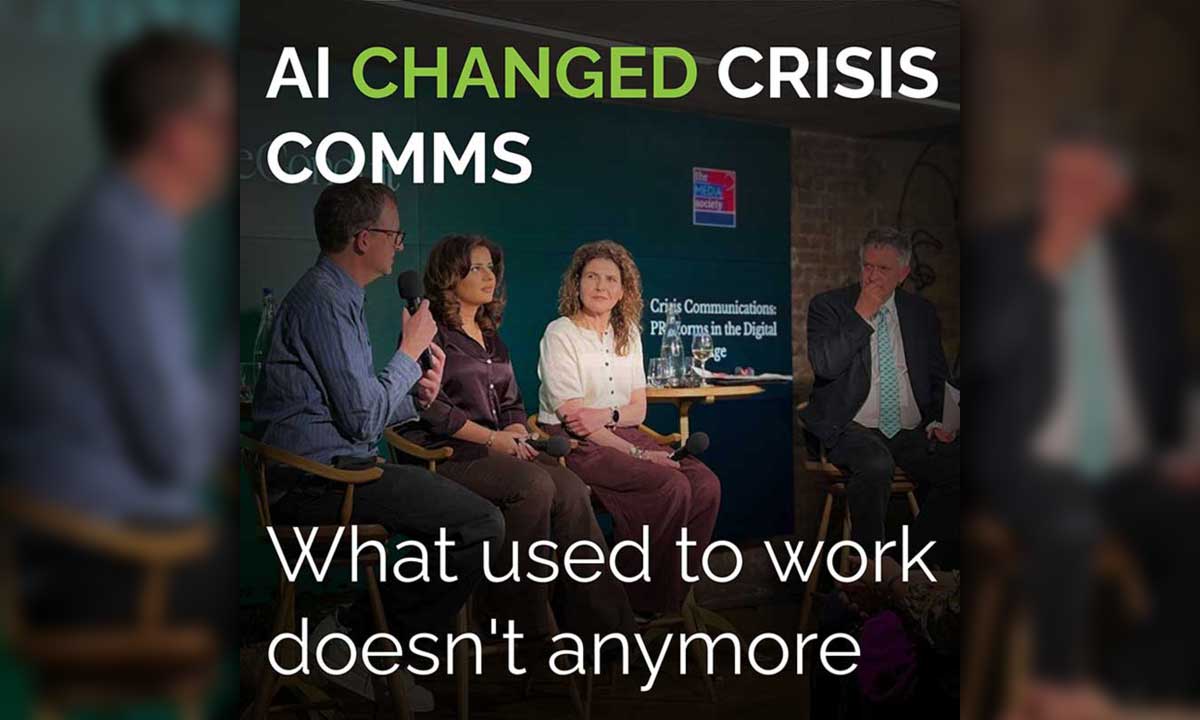
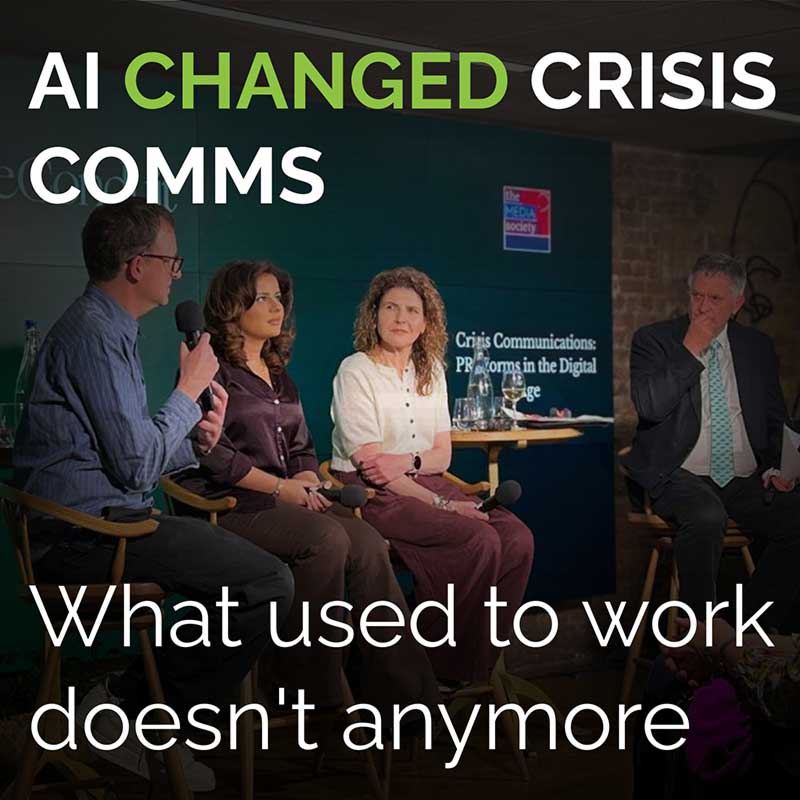
AI changed crisis communications, but not the playbook

AI changed crisis communications, but not the playbook

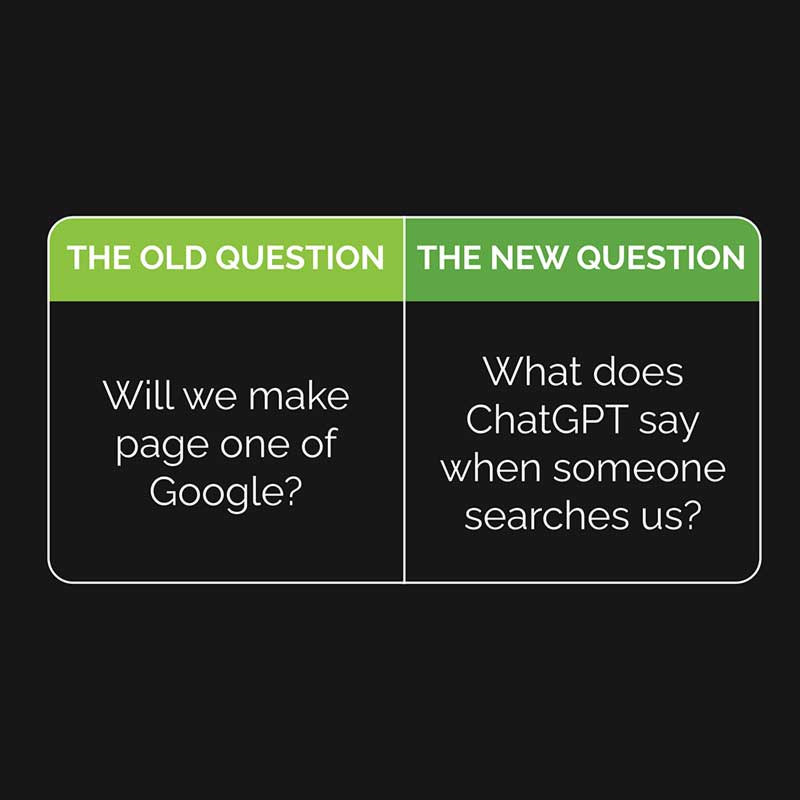
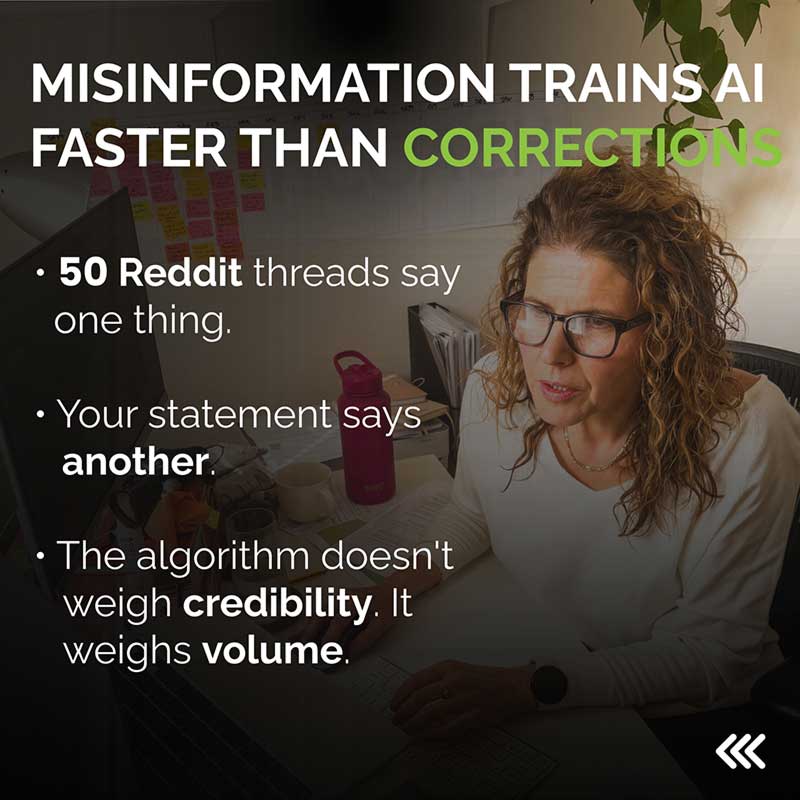
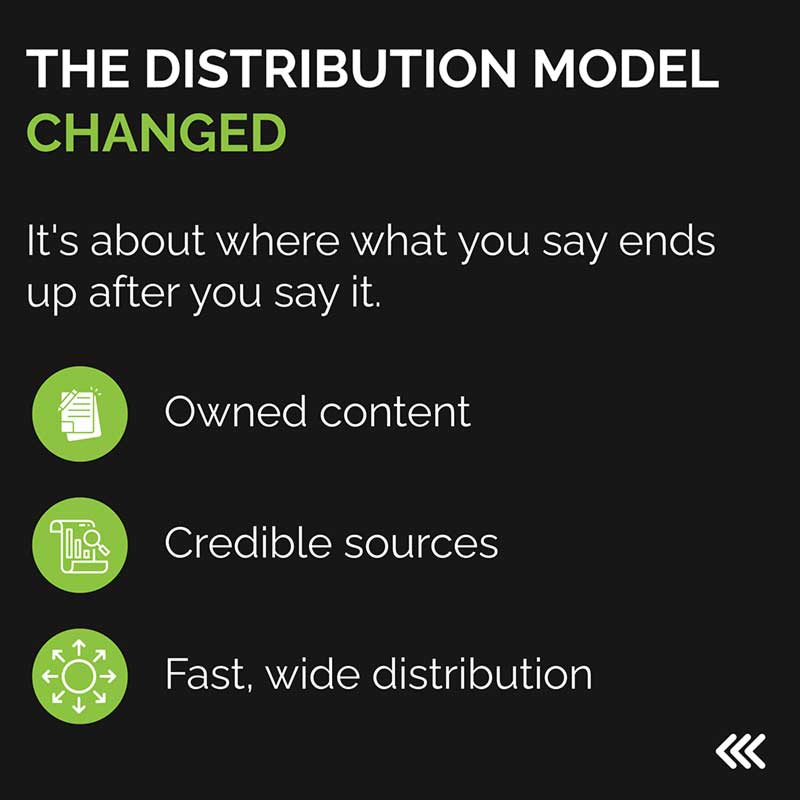
The crisis communications playbook hasn’t been rewritten. But the distribution model has. Here’s what changed in the last twelve months, and what it means for crisis communications in 2026.


If you’re not sure how your organisation would show up if someone asked ChatGPT or Perplexity about you mid-crisis, that’s worth finding out before you need to. Get in touch to talk through how prepared you are.

Join the discussion on LinkedIn »

Why blaming the PR team is a warning sign, not a strategy

Why blaming the PR team is a warning sign, not a strategy

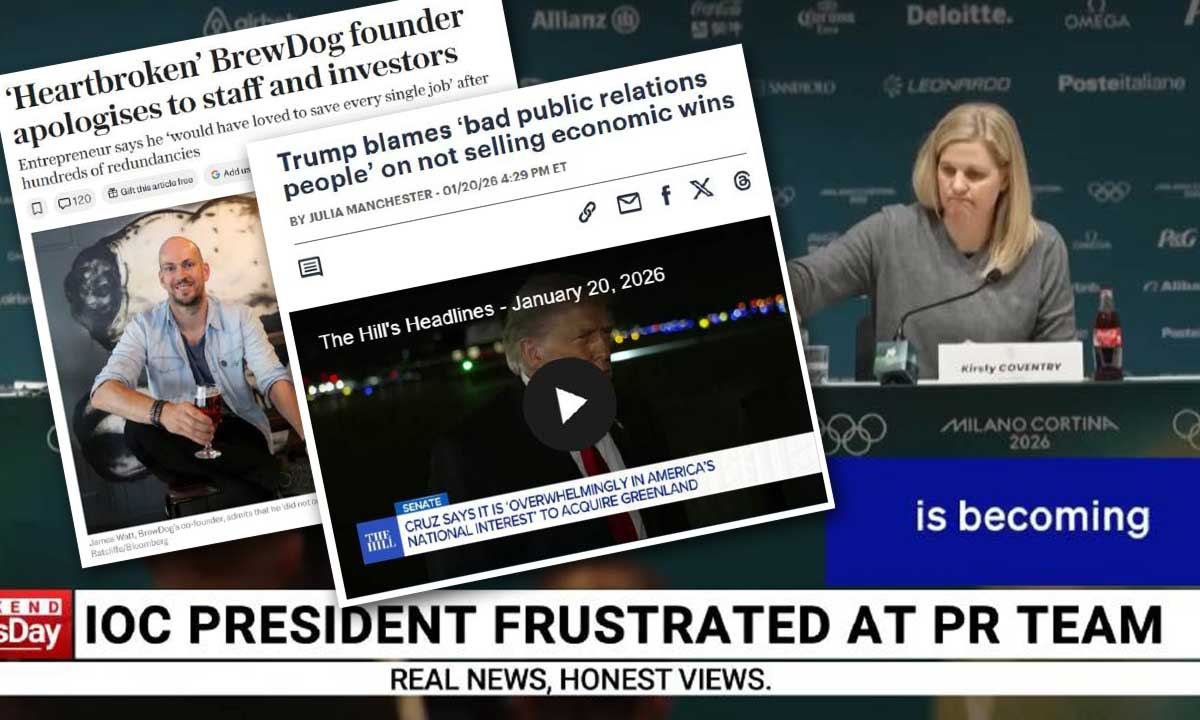
Blaming the PR team has become a bit of a trend. And it’s getting predictable.

You know things aren’t going well when the PR advisors are in the news.

  • BrewDog’s founder: “My responses always came from PR advisers.”
  • Trump: “Maybe you have bad public relations people.”
  • IOC President at a closing press conference: “I’m really looking at my team and maybe someone needs to be dismissed.”

The pattern is always the same. Something doesn’t land. The public aren’t buying it. And suddenly it’s the Comms team’s fault for not “messaging it better.”

Never mind that we said it wouldn’t work. Never mind that we flagged exactly what would happen. Never mind that some things genuinely cannot be spun.

It’s just easier to blame the people who had to explain it than admit the thing itself was the problem.

But here’s what nobody says out loud: good PR advisors tell you what you need to hear, not what you want to hear. And sometimes what you need to hear is “this is going to be difficult.”

When that advice gets ignored and it does, in fact, turn into a disaster, well, apparently that’s still the PR’s fault.

The PR team didn’t create the crisis. We just got stuck explaining it. And sometimes you can’t comms your way out of a crisis.

Next time you see a leader pointing at their communications team, just remember: you know things really aren’t going well when the people behind the scenes become the story.

If you want communications advice that’s built to stand up under real pressure, not just sound good in the room, get in touch to find out how we work with leadership teams before, during and after a crisis.

Join the discussion on LinkedIn »

14 years in crisis communications: 6 lessons that matter

2012-2026: 14 years in crisis communications: 6 lessons that matter from Abby Mangold

I’ve spent 14 years in crisis communications. Here are the 6 things I think matter most.

1. People manage crises not plans

I’ve watched organisations with brilliant crisis protocols completely fall apart because the person who needed to use them had never opened the document.

The CEO freezes when asked a basic question. The spokesperson defaults to jargon. The plan was perfect. The people weren’t ready.

Documents can’t think. They can’t adapt when something unexpected happens. People manage crises. And if they haven’t practiced, the plan won’t save them.

2. Credibility beats control every time

You can’t control what gets posted about you. You can’t control how fast misinformation spreads. You definitely can’t control the narrative once it’s out there.

What you can control: whether people believe you when you finally respond.

And much of that is built before the crisis hits, not during it.

3. Spokespeople need muscle memory, not talking points

One media training session doesn’t work.

People need to practice answering the challenging questions repeatedly until the response is instinctive. Out loud. Under pressure. With someone pushing back on their answers.

That’s the only thing that holds up when a journalist asks “Are you saying the customer is wrong?” and you have two seconds to respond.

4. Speed matters more than legal perfection

I get it. Legal needs to review. But by the time your statement clears three rounds of edits, thousands of people have already formed opinions based on something false.

Sometimes fast and good enough beats slow and perfect.

Not always, but typically more often than most organisations realise.

5. Monitor where crises actually start

Not The Times. Not the BBC.

Reddit threads. Industry forums. Discord servers.

That’s where your crisis is building whilst you’re watching traditional media and thinking everything’s fine.

I’ve seen this pattern repeat: the issue’s been spreading on Reddit for three days before it crosses over to X, then journalists notice, then your CEO finds out.

By then, you’re not managing the crisis. You’re fighting misinformation.

6. Pattern recognition is the real skill

I’ve run many crisis simulations. The pattern is often the same.

Organisations handle the first issue competently. Decision-making works. Communications activate. Then we introduce a second issue twenty minutes later.

The collapse happens predictably.

The crisis team becomes a bottleneck. Spokespeople freeze. Internal comms fail because employees are getting contradictory information.

That’s what you need to prepare for. Not one crisis. But at least two happening simultaneously.

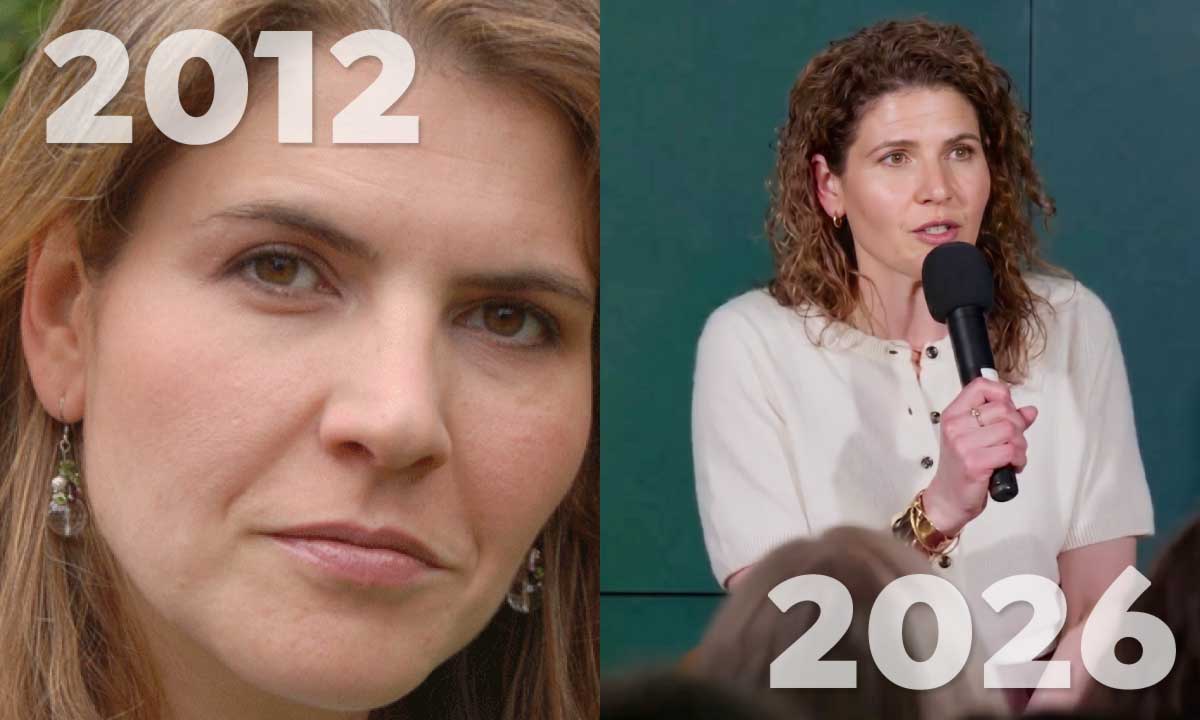
14 years between these photos. Still learning.

If your organisation hasn’t pressure-tested its crisis response, now is a good time to start. Get in touch to talk through how prepared your team really is, or find out more about our crisis management and media training services.

Join the discussion on LinkedIn »

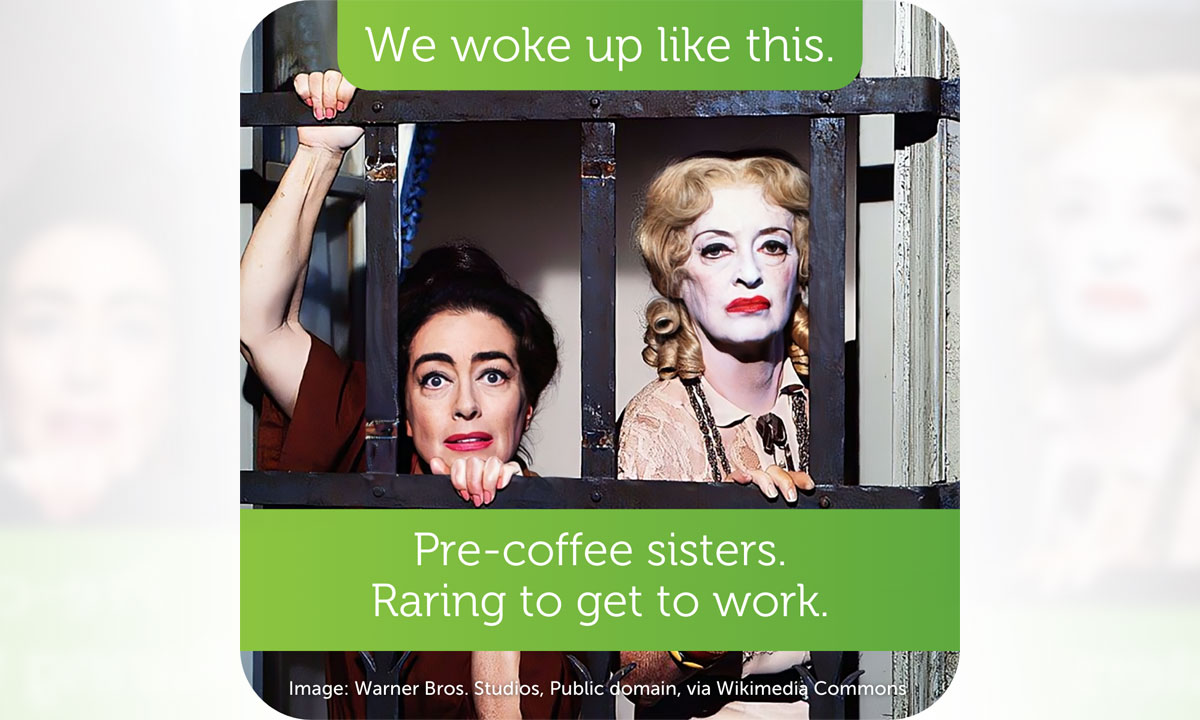
Crisis comms sisters: Our superpowers at work

Abby and Jess Mangold - Crisis Comms Sisters

2 sisters working together?

Crisis superpowers, journalistic expertise, snacks 🥜

This is how Jess Mangold and I make it work…

Jess on Abby “She puts people at ease within seconds, finding common ground and camaraderie, even in high-pressure crisis situations”

“Seamless makeup application for being on camera. What she doesn’t know about this topic is not worth worrying about.”

“Bringing and holding people together in a crisis, uniting individuals and the group. It’s her crisis communications superpower.”

Abby on Jess“Her prep is second to none. Training notes, research, making time to practice – you name it, she’s prepped!”

“Snacks! Jess is not one to go hungry, so she avoids team energy dips by always having a healthy snack squirrelled away in her backpack.”

“She’s great at remembering reports she’s read, or experiences as a journalist; neatly sliding them into conversations with clients to add colour and demonstrate our expertise.”

Pretty proud of this one

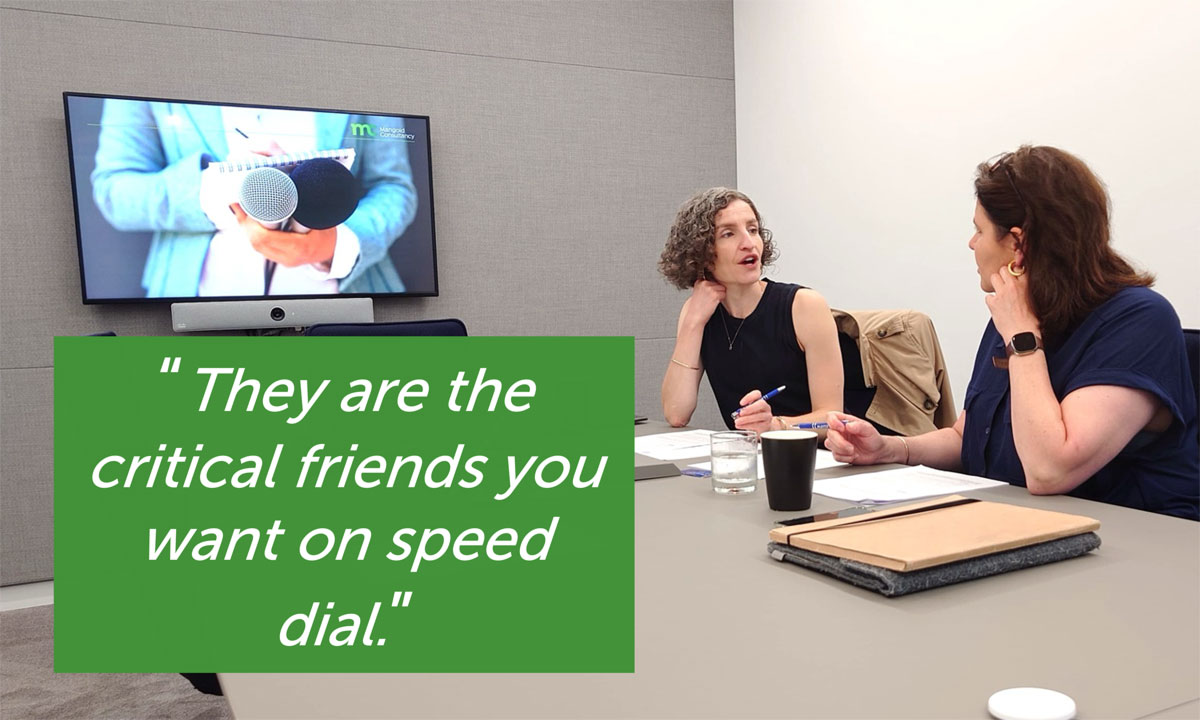
Pretty Proud: Abby Mangold & Jess Mangold: "They are the critical friends you want on speed dial"

We’ve been working with this retail client for 5 years.

We’ve gone through the good times and the tougher ones.

We’ve supported each other to grow as organisations.

So we were chuffed when they told us:

“Abby and Jess consistently provide clear thinking and boil down complex matters, into concise guidance.

As media trainers they are industry experts, give honest and fair feedback in a safe environment.

They are the critical friends you want on speed dial.”

Kudos to my ex colleagues at BBC Watchdog

BMW

Credit to BBC Watchdog for their investigation on last night’s programme which lead to BMW announcing a recall of hundreds of thousands of cars.

The truth is that no one really knows what goes on inside an organisation during a crisis, apart from the people managing it.  There are often multiple business objectives which reach far beyond being featured on the programme.  Continue reading “Kudos to my ex colleagues at BBC Watchdog”