Most organisations spend hours perfecting a statement but overlook spokesperson preparation.
They then hand that statement to someone who has often not seen it before that morning, and wonder why the interview doesn’t land.
A statement is only as strong as the person delivering it. Which means spokesperson preparation isn’t optional, it’s the most important part of your entire crisis response.
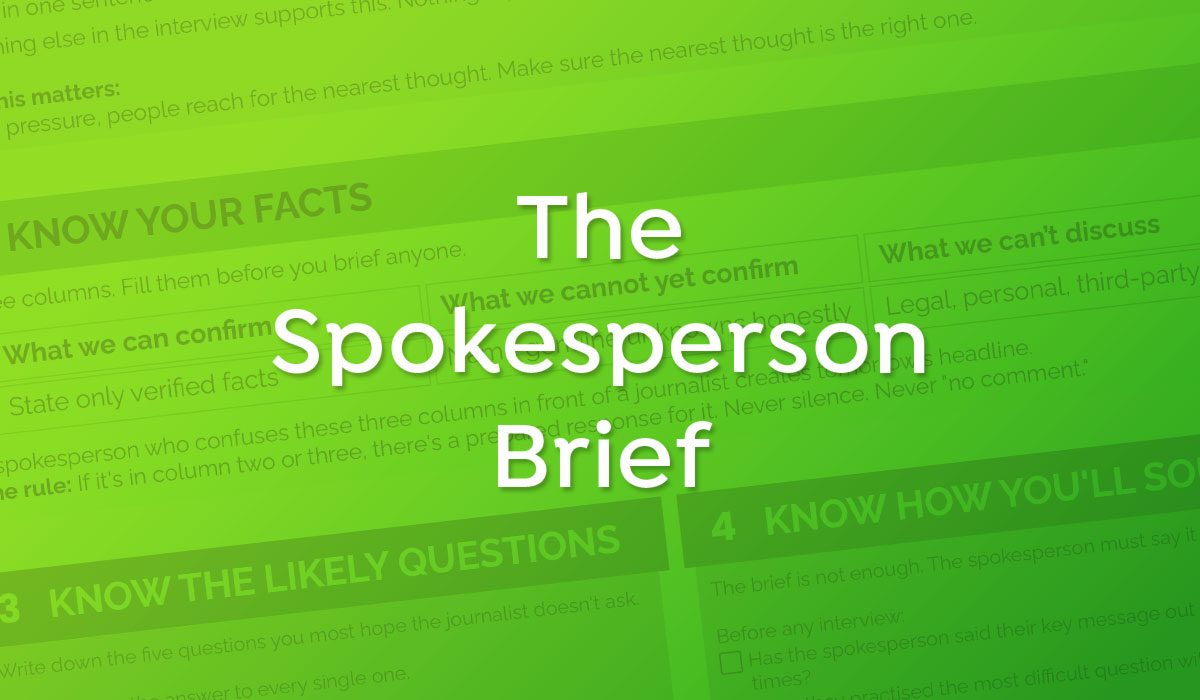
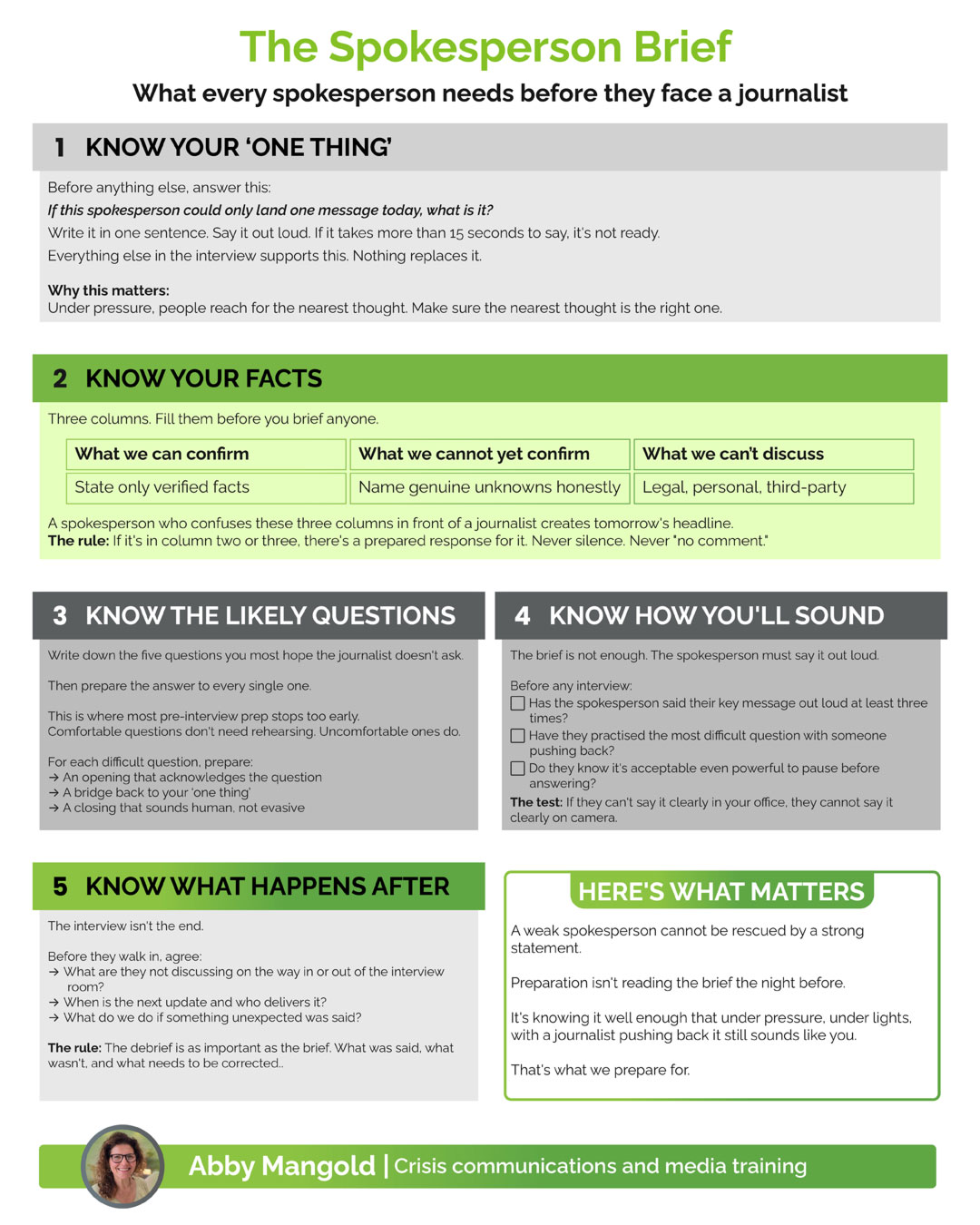
Over the years, I’ve developed a pre-interview brief I give every spokesperson before they face a journalist.
Not a script. Not a list of things to avoid. Rather, a brief that means they walk into that interview knowing exactly where they stand.
This is it.
A strong statement is only effective if the person delivering it is ready for the pressure of a journalist’s questions. If you need to ensure your leaders are fully prepared, find out more about our media training and preparation services.
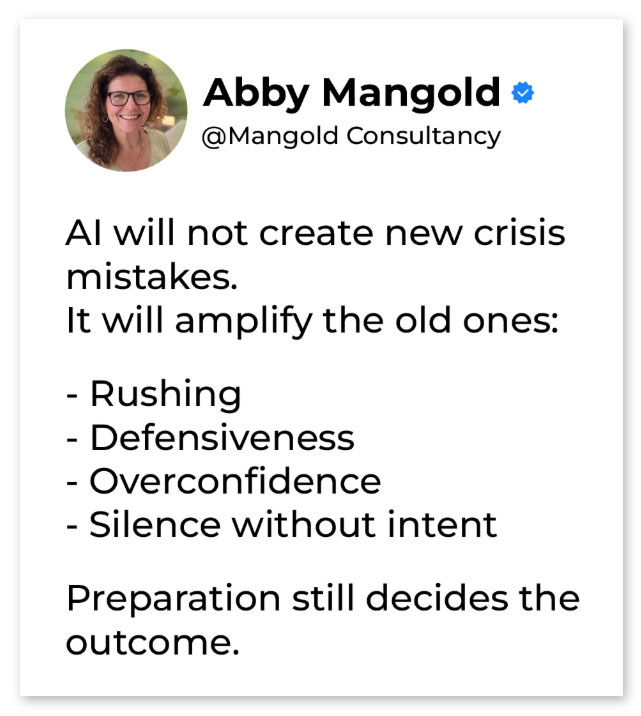
If you’re worrying that AI will create entirely new crisis problems, it probably won’t.
What it will do is speed up the ones that already catch people out.
Rushing when pressure hits.
Becoming defensive instead of deliberate.
Sounding confident before the facts are clear.
Going quiet without being intentional about it.
Those behaviours existed long before the tools did. They just show up faster now.
In the short statement below, I’ve set out what I keep seeing repeated, regardless of sector or technology. Not as a prediction, but as an observation from how crises actually unfold when time is tight and judgement matters.
One of the most dangerous assumptions I see in crisis response today is this:
That the truth will speak for itself(in the age of AI and fabricated content).
It will not.
I have learned that in moments of uncertainty, people do not wait for facts.
They look for signals.
Who speaks first.
Who sounds credible.
Who appears composed.
Who seems to care.
This is why crisis response today is less about information and more about judgement.
When deepfakes, edited clips and misinformation are circulating, the organisations that hold trust are the ones that already have three things in place.
First, decision discipline.
Someone who knows when to speak and when not to.
Not everything needs an immediate response, but everything needs a considered one.
Second, language that sounds human under pressure.
Audiences can sense scripted reassurance instantly.
In high-risk moments, tone matters as much as facts.
Third, leaders who have rehearsed uncertainty.
Not just the scenario, but the discomfort of not having all the answers.
What I have seen repeatedly is this:
Organisations do not fail because they lack technology, they fail because they have not prepared their people to lead when certainty disappears.
AI makes crises faster and noisier.
If you are relying on tools alone to protect trust, you are already exposed.
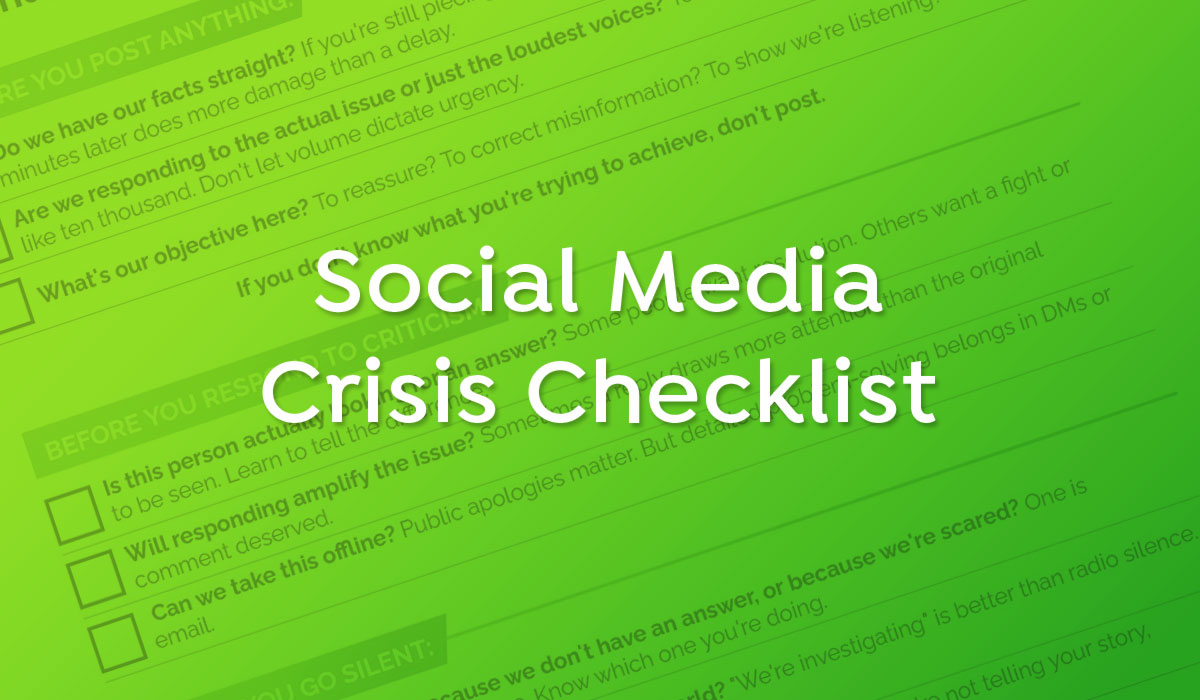
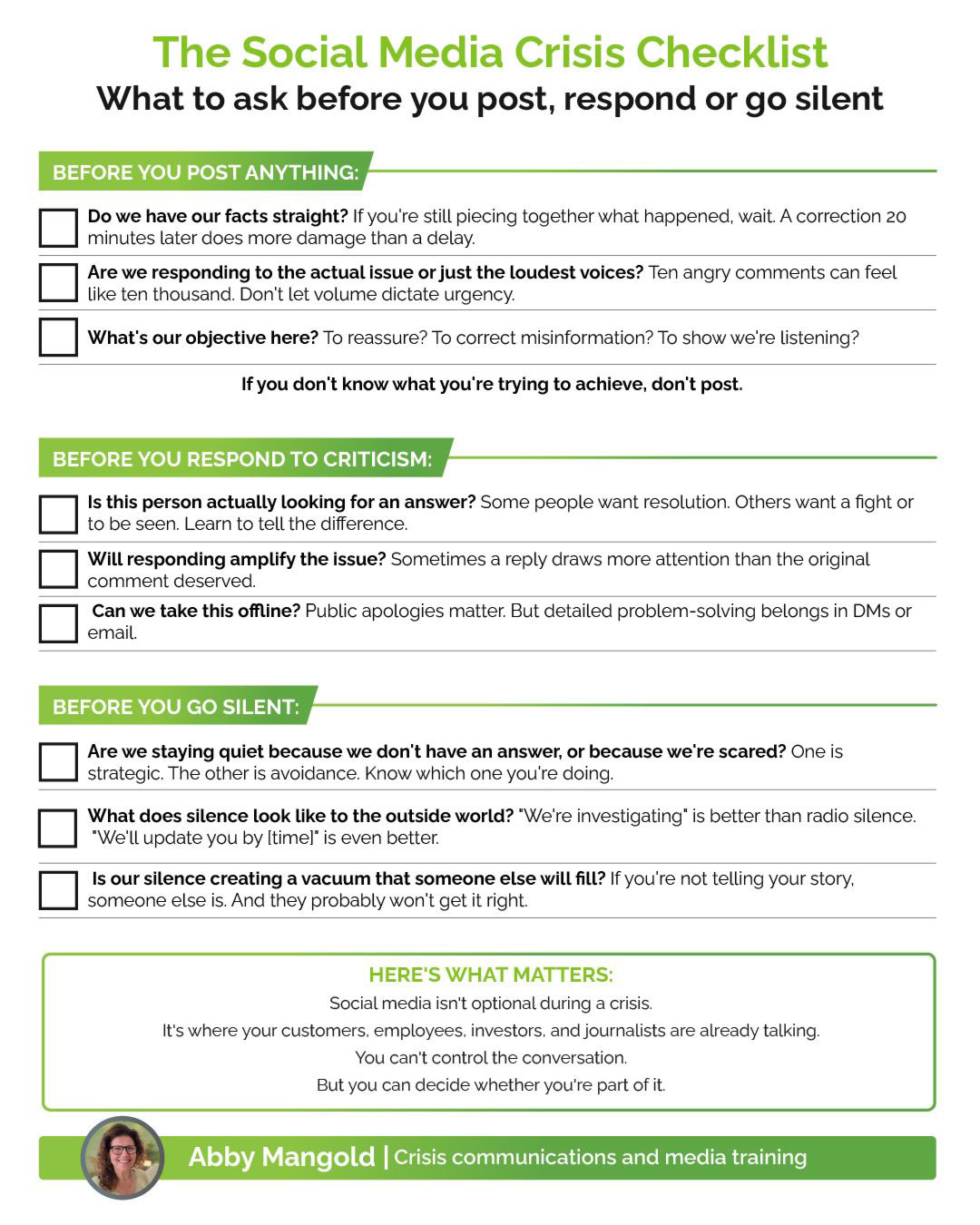
Please find below our Social Media Crisis Checklist.
Ignoring digital channels is a mistake. Effective social media crisis management ensures you control the narrative before others do it for you.
In the middle of a fast-moving situation, it is easy to feel overwhelmed by the sheer volume of comments and notifications. This social media crisis checklist is designed to help you pause, think, and act with intention rather than reacting out of fear.
When a crisis breaks, the pressure to “say something” can be intense. We often see organisations rush to post a statement because they feel the need to keep up with the speed of the internet. However, being the first to speak is rarely as important as being the most accurate. If you put out information that you have to walk back 30 minutes later, you risk losing the trust of your audience at the exact moment you need it most.
Social media is not just a broadcast tool; it is a live conversation that happens whether you are in the room or not. By using the social media crisis checklist, you can move away from a defensive mindset and start managing the situation. It helps your team distinguish between a genuine customer who needs help and a vocal minority looking for a public disagreement.
Managing the silence
One of the hardest parts of a crisis is knowing what to do when you don’t yet have all the answers. While it is tempting to stay silent until the full picture is clear, radio silence often creates a vacuum. In that space, speculation and misinformation can grow.
A simple holding statement letting people know you are aware of the issue and stating when the next update will come is often enough to lower the temperature. It shows that you are present, listening, and taking the matter seriously.
If you are concerned about how your organisation would handle a crisis on social media, our team provides specialist support to help you manage the conversation and protect your reputation.
I am often asked what matters most in the first hour of a crisis.
Not the wording of the statement.
Not the headline.
Not the volume of coverage.
What matters is behaviour.
After years at the BBC and then working alongside leaders in live crisis situations, the first 60 minutes are where most avoidable damage either happens or is prevented.
Confusion about who makes decisions, fills gaps quickly.
Assumptions creep in when facts and unknowns aren’t separated early.
Language that protects the organisation before acknowledging impact is noticed immediately.
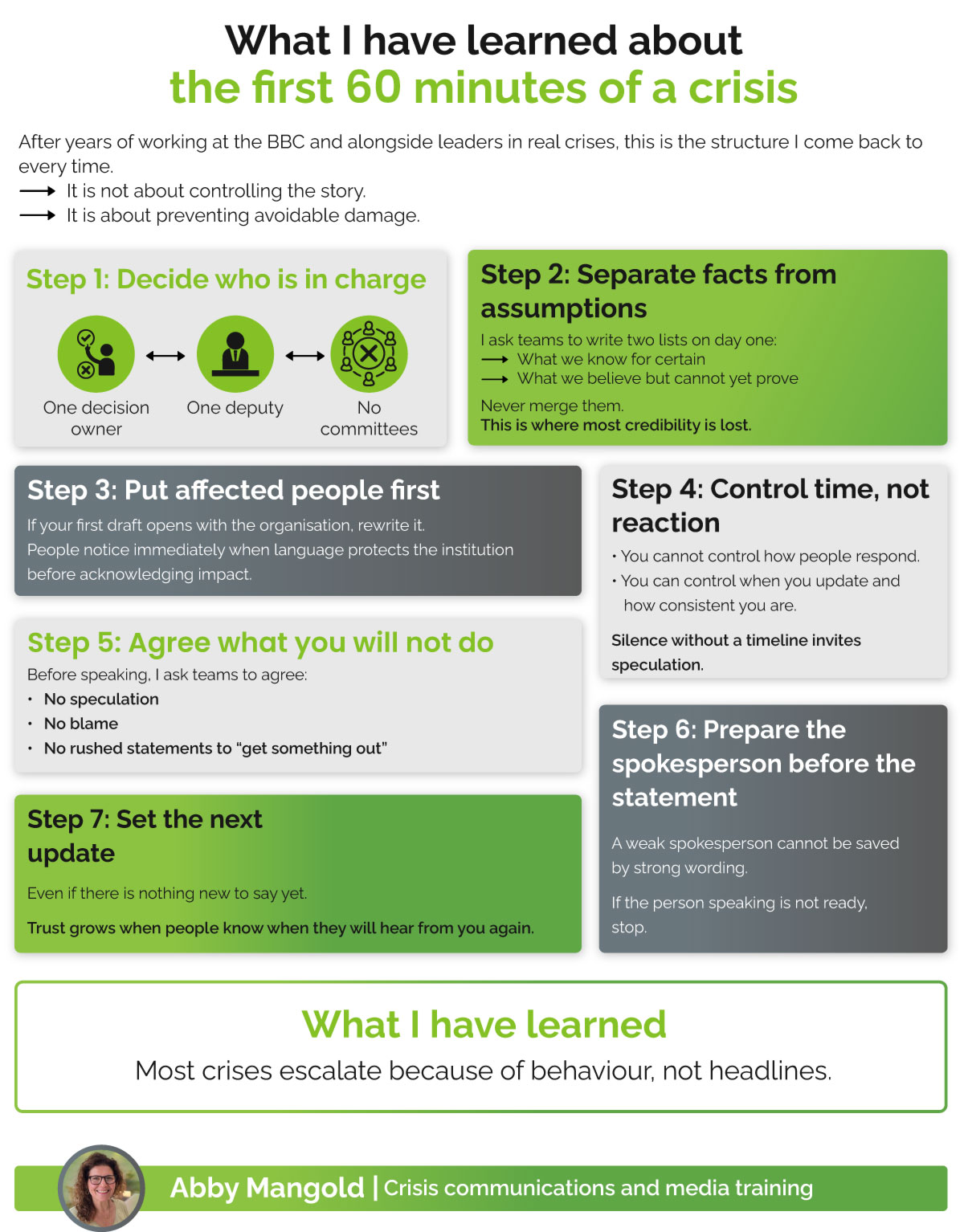
I’ve set out below the structure I return to when those first decisions matter most.
You can’t control reaction, but you can control consistency.
You can’t rush readiness.
And a strong statement won’t rescue a spokesperson who isn’t prepared to speak.
Most crises don’t escalate because of what’s reported.
They escalate because of what happens in that first hour, behind closed doors.
That’s the part I keep coming back to.
In a live crisis, this is the structure I come back to every time
Step 1: Decide who is in charge
One decision owner
One deputy
No committees
Step 2: Separate facts from assumptions
I ask teams to write two lists on day one:
What we know for certain
What we believe but cannot yet prove
Never merge them. This is where most credibility is lost.
Step 3: Put affected people first
If your first draft opens with the organisation, rewrite it. People notice immediately when language protects the institution before acknowledging impact.
Step 4: Control time, not reaction
You cannot control how people respond.
You can control when you update and how consistent you are. Silence without a timeline invites speculation.
Step 5: Agree what you will not do
Before speaking, I ask teams to agree:
No speculation
No blame
No rushed statements to “get something out”
Step 6: Prepare the spokesperson before the statement
A weak spokesperson cannot be saved by strong wording. If the person speaking is not ready, stop.
Step 7: Set the next update
Even if there is nothing new to say yet. Trust grows when people know when they will hear from you again.
What I have learned: Most crises escalate because of behaviour, not headlines.
I’ve learned this the hard way: when a crisis hits, you find out very quickly who you can rely on.
Not by title.
Not by seniority.
But, by how people behave when the pressure becomes personal, before the answers become clear.
I’ve sat in rooms where decision making slowed because too many people needed to agree. I’ve seen strong legal advice help, and I’ve seen fear of getting it wrong quietly take control. I’ve watched credibility wobble when certainty was performed instead of earned.
Over time, you start to notice patterns.
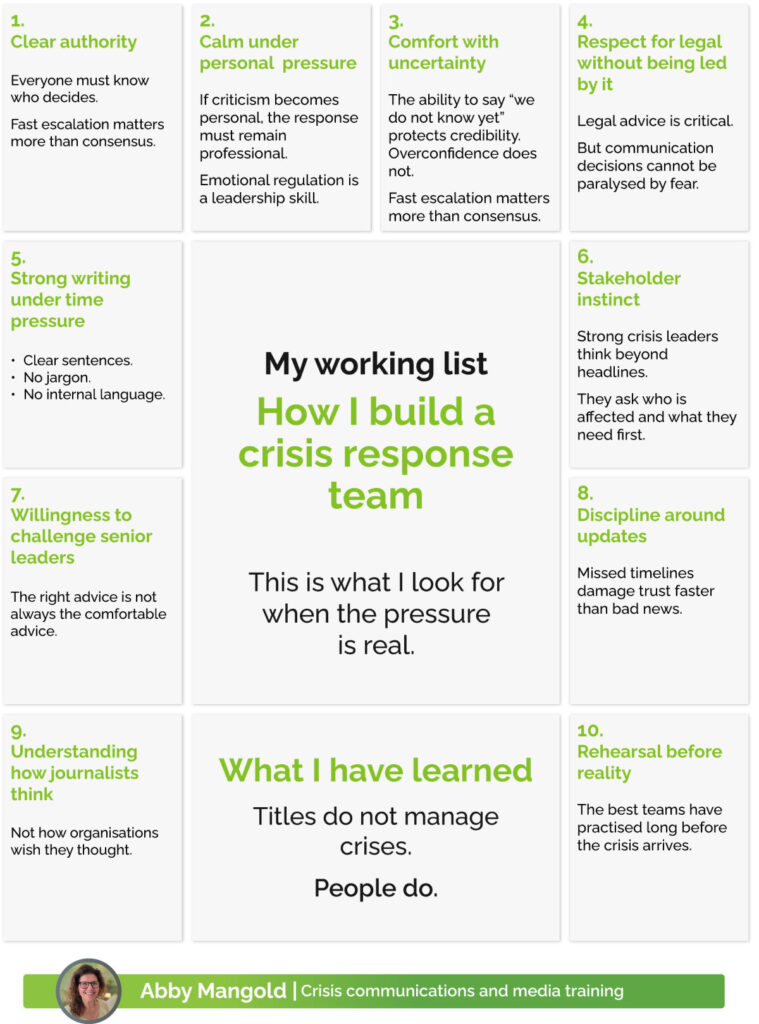
Below, I’ve set out the working list I use when building or stress testing a crisis response team. It’s not theoretical. It’s shaped by what holds when timelines are tight, scrutiny is public and the margin for error feels small.
Calm matters.
Being able to say “we don’t know yet” matters.
Understanding how journalists think matters.
And so does having people in the room who are willing to challenge senior leaders when it counts. Titles don’t manage crises – People do.
My working list: How I build a crisis response team
This is what I look for when the pressure is real.
1. Clear authority
Everyone must know who decides. Fast escalation matters more than consensus.
2. Calm under personal pressure
If criticism becomes personal, the response must remain professional. Emotional regulation is a leadership skill.
3. Comfort with uncertainty
The ability to say “we do not know yet” protects credibility. Overconfidence does not. Fast escalation matters more than consensus.
4. Respect for legal, without being led by it
Legal advice is critical. But communication decisions cannot be paralysed by fear.
5. Strong writing under time pressure
Clear sentences.
No jargon.
No internal language.
6. Stakeholder instinct
Strong crisis leaders think beyond headlines.
They ask who is affected and what they need first.
7. Willingness to challenge senior leaders.
The right advice is not always the comfortable advice.
8. Discipline around updates
Missed timelines damage trust faster than bad news.
9. Understanding how journalists think
Not how organisations wish they thought.
10. Rehearsal before reality
The best teams have practised long before the crisis arrives.
Mastering apologies under pressure requires simplicity and a human touch. If you ever have to apologise publicly, this will matter more than you expect.
Most people don’t get apologies wrong because they don’t care. They get them wrong because pressure changes how they think. Language tightens. Legal instinct kicks in.
The focus shifts to intent, explanation and protection, often without realising it.
I’ve seen well-intended apologies make situations worse simply because they stopped sounding human.
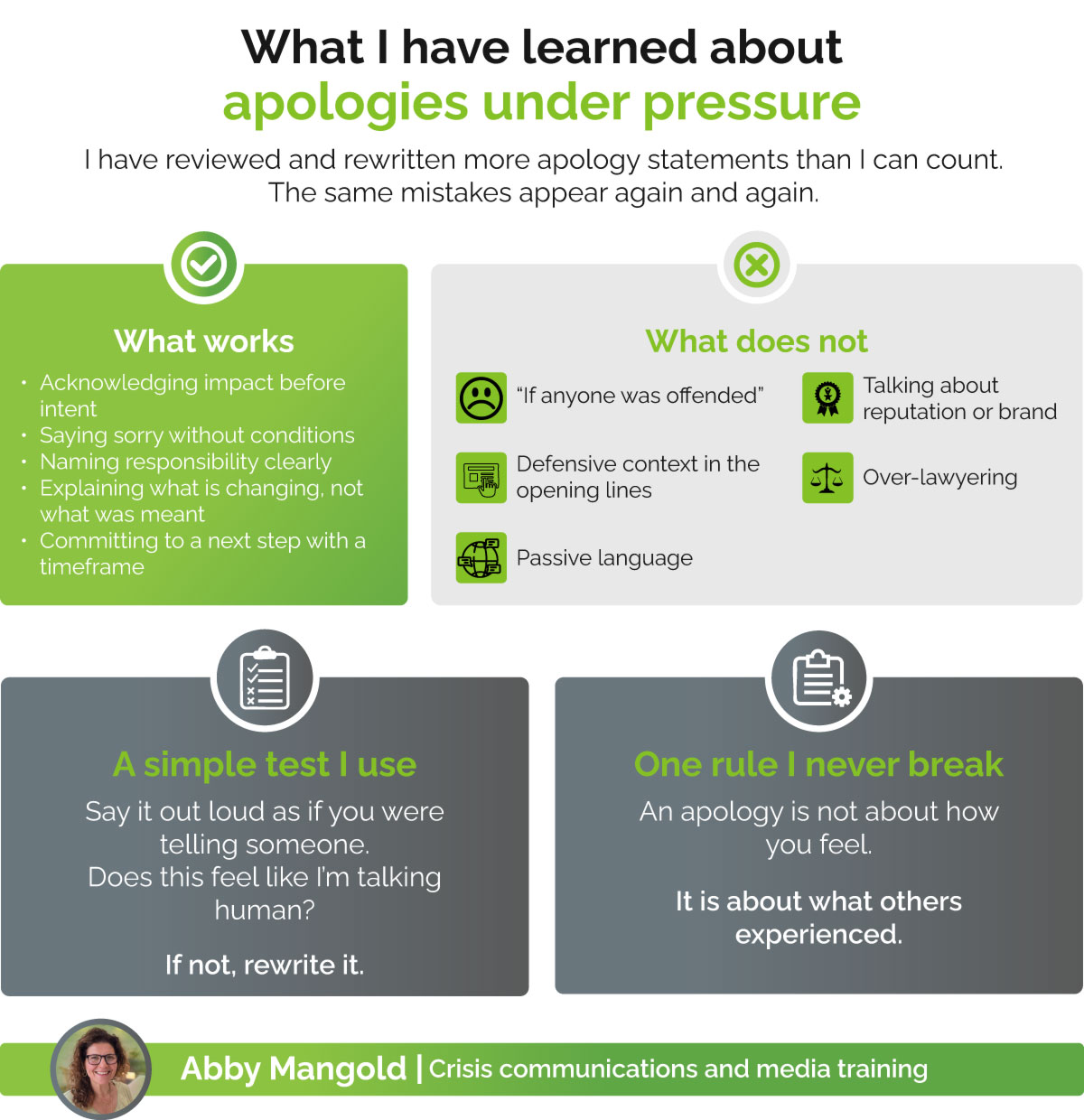
Below I’ve set out what I’ve learned about apologies under pressure. These are based on the patterns that show up again and again, when statements are drafted quickly, reviewed heavily and read closely by the people who matter most.
What works is usually simplicity.
An apology is about what others experienced and what changes next. That’s where trust is either rebuilt or lost.
What works and what doesn’t when delivering apologies under pressure
I have reviewed and rewritten more apology statements than I can count, and the same mistakes appear again and again
What works
Acknowledging impact before intent
Saying sorry without conditions
Naming responsibility clearly
Explaining what is changing, not what was meant
Committing to a next step with a timeframe
What does not work
“If anyone was offended”
Defensive context in the opening lines
Passive language
Over-lawyering
Talking about reputation or brand
A simple test I use
One test I always come back to is this:
Say it out loud, as if you were speaking directly to the person affected. If it doesn’t sound like something you’d say face to face, it won’t land as sincere.
Does this feel like I’m talking human? If not, rewrite it.
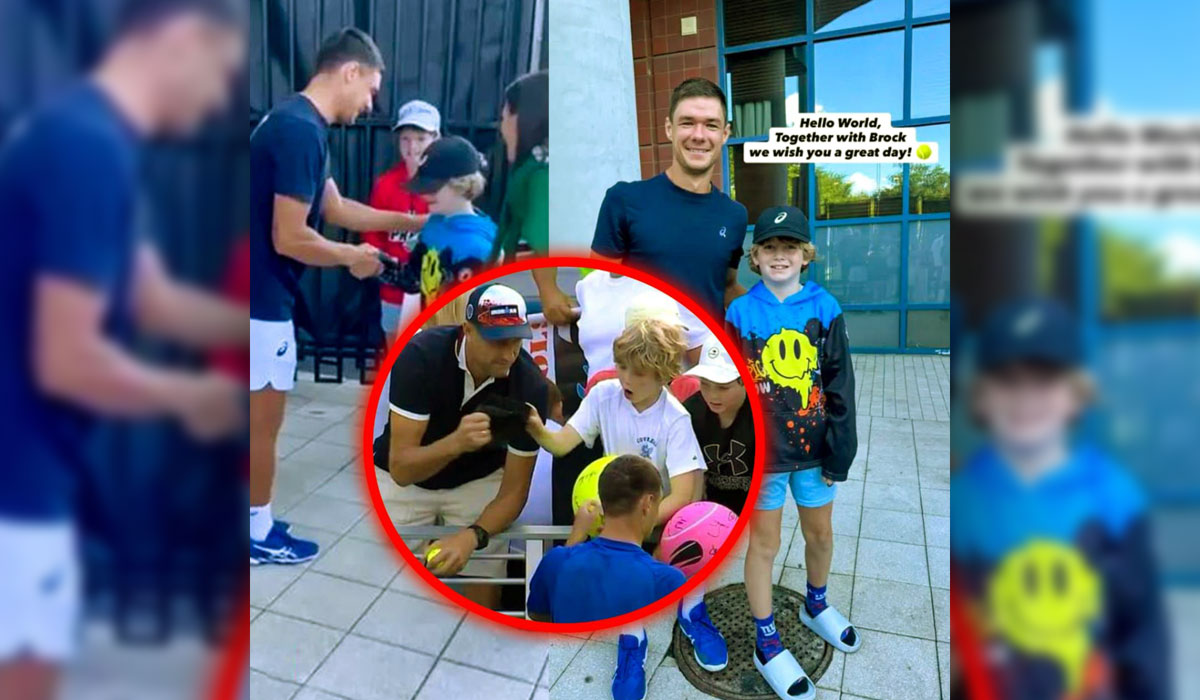
A Polish CEO (recently unmasked by the internet) was filmed snatching a hat from the hands of a young fan, as the tennis player Kamil Majchrzak signed autographs at the end of his match. A moment that quickly became a flashpoint online.
As a parent, I cannot help but feel awful for the boy at the centre of this moment…what could have been a special memory has become a story of reputational damage and online outrage.
I was chuffed to see that the boy in question has since met with Kamil Majchrzak and got a replacement for the hat that was yanked from his hands.
The CEO in question has finally apologised and apparently deleted his social media. His company was flooded with negative google reviews and comments.
This is a powerful reminder that reputations are not shaped only by share price, strategy or statements but by how you act.
As a leader you ARE your brand.
In a world where a single moment travels far faster than context – how you behave speaks volumes – empathy, being human and behaving with decency are critical currency for leaders.
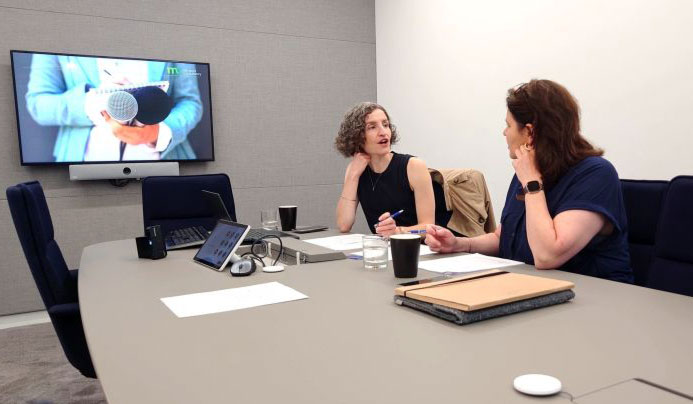
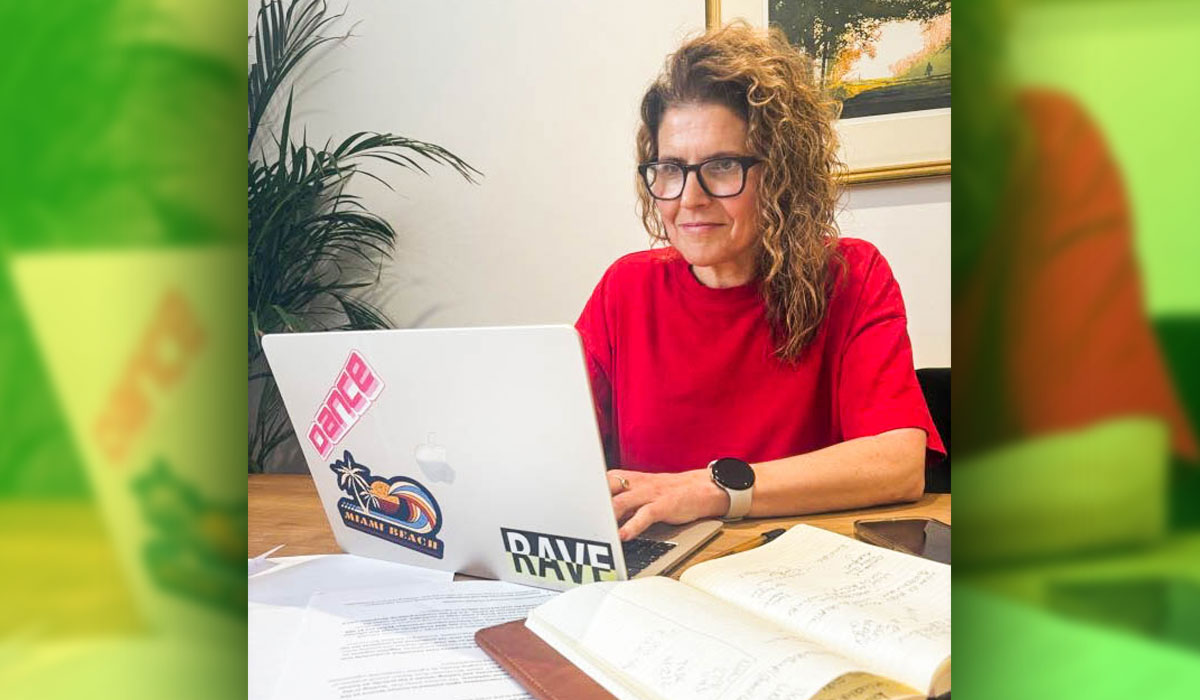
When she approached me a few weeks ago to media train her I had to give it some thought.
Would I be able to separate our long friendship and deliver the training she needed as a business owner and expert? Would we end up wasting too much time gossiping and discussing our old raving days (please note the trainers)!
It was a no-brainer, as a successful Mum and business owner, just like me, I knew I owed it to her to treat her just like any other client.
She was the model participant, she listened, took the advice and feedback, handled some very nasty questions and came out the other end having massively improved AND with a smile on her face, as did I.
I love working at the ctn group studio in Central London, you could not find a more accommodating, welcoming, realistic and private location for media training.
There’s one question I’ve asked in dozens of boardrooms, training rooms and crisis management rooms over the years.
No matter the sector, the size of the organisation or the titles in the room – it always changes the energy.
I usually wait for the right moment. The conversation is flowing. People are confident. They think they’re prepared.
Then I ask it.
“What’s the one thing you’ve not told me that you hope no one ever finds out?”
It’s not about digging for secrets. It’s about surfacing risk. Because that’s usually where the real vulnerability lives and where the real comms work begins.
You cannot build a credible crisis comms strategy without being truly honest about what would do the real damage, if revealed.
That one question has shaped entire strategies. It has revealed gaps, rebuilt trust and prepared teams for headlines they never thought they’d face.
What’s the hardest question you’ve ever had to ask a client or a leader? I’d love to hear.
We use cookies to ensure that we give you the best experience on our website. If you continue to use this site we will assume that you are happy with it.