What my father taught me about media interview preparation

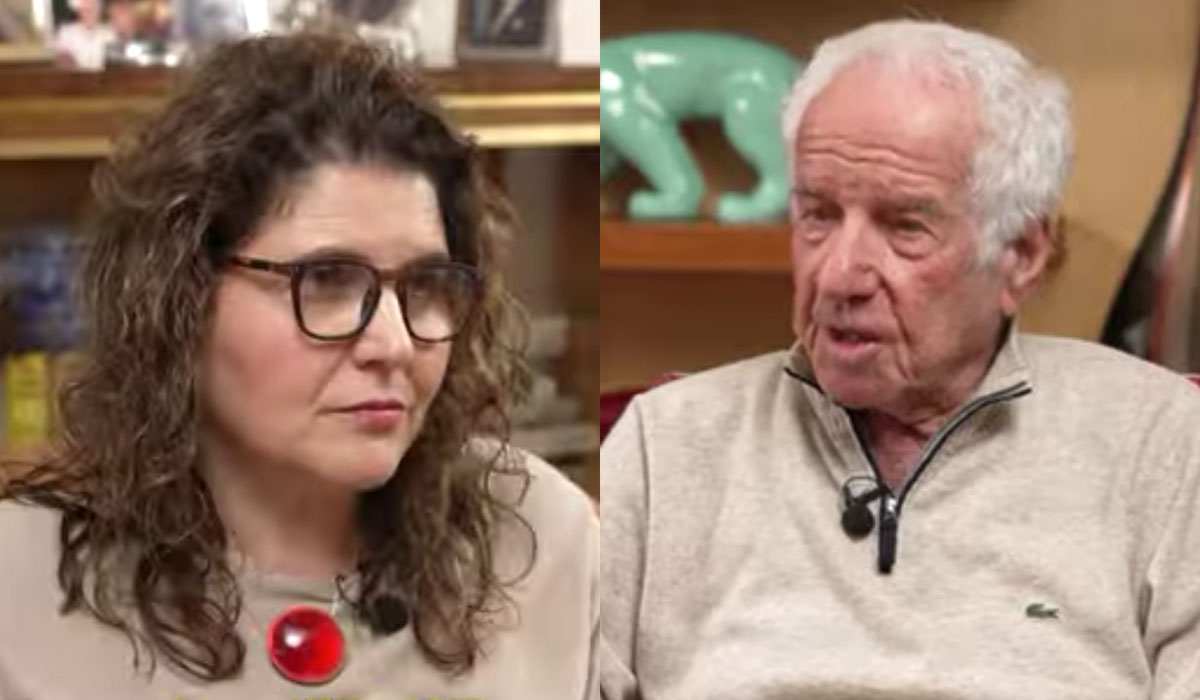
Tom Mangold & Abby Mangold

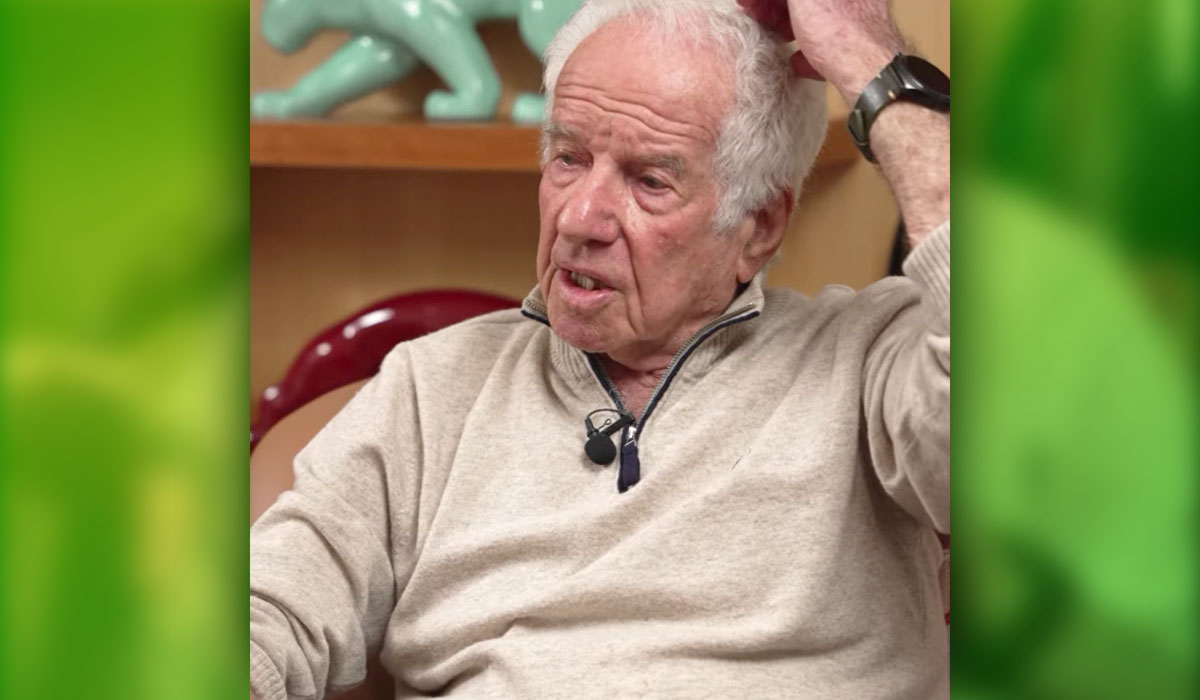
My Dad, Tom Mangold, always said, “When I sit down in the chair opposite the interviewee, I need to know even more than they do.”  That is something he did, and it’s the standard I bring to media interview preparation today.

He spent decades as an investigative journalist with BBC Panorama. Working on the kind of stories that took months, even years to produce.

I grew up watching him prepare. Files everywhere. Notes covering every surface. Questions written, rewritten, scenarios mapped out. He’d know the story better than the person who’d lived it.

It’s not about catching people out. It’s about knowing the facts.

When you know the subject as he did, the interview changes. You’re not fishing. You’re not guessing. You’re having a conversation with someone who can tell you’re not winging it.

The people I work with now, executives preparing for media interviews, spokespeople getting ready for a crisis often ask how much preparation is enough.

I tell them what I watched my father do for 40 years.

You prepare until you know it better than the journalist sitting opposite you.

Not to control the conversation. To be credible in it.

That’s the difference between someone who sounds like they’re following a script and someone who actually knows what they’re talking about.
Preparation isn’t about perfect answers.

It’s about understanding the story so well that you can have a real conversation about it.

My father knew that. It’s why journalists trusted him, and why the people he interviewed, even when the questions were difficult, respected the process.

The best interviews aren’t performances. They’re conversations between two people who’ve both done their homework.

If your spokespeople need to walk into an interview knowing the story better than the journalist does, that’s exactly what we help build. Get in touch to find out more about our media training and presentation skills sessions.

Join the discussion on LinkedIn »
 

Media training insights from senior leadership teams

What do you believe are your areas of weakness?

I’ve spent the morning preparing for a media training session.

Every person we train is asked to complete a pre-training questionnaire, which means that we create content that is focused solely on them – addressing what they believe are their strengths, weaknesses, hopes and fears.

It is a fascinating insight into the minds of CEOs and Senior Leadership Teams and arguably the most important part of the jigsaw puzzle to anticipate how the training session is going to run…

To the question ‘what do you believe are your areas of weakness?’
We tend to get a version of the following: not being able to answer all the questions, handling difficult questions, speaking too quickly etc

But today I’ve just read the answer ‘that I am a bit woo’

This is both a unique and brilliantly intriguing answer, and I am now seriously looking forward to the training!

Why it matters to write human for spokespeople

A little plea for all those writing content for spokespeople…

(Also included the sounds of a panting dog and multiple birds!)

Just a little plea from me today to anybody writing statements that they want their spokespeople to use verbally.

Please write human.

I have lost count of the number of answers to challenging questions that have clearly just been written.

Nobody’s tried to say it.

It’s only when you try and say things, that you realise the language simply doesn’t work.

You are making your spokespeople sound like robots. You are making your spokespeople sound like they’re just reading from a script and it’s not convincing anyone.

So just a little plea from me. Please, if you’re giving someone something to say verbally, say it out loud first and please write human.

There was no dead rat in the yogurt

Interview with Tom Mangold

Tom Mangold shares advice for spokespeople: be prepared, avoid jargon, rehearse key points and take responsibility in tough interviews.

“There was no dead rat in the yogurt.”

Thank you to everyone who suggested questions for veteran journalist, Tom Mangold.

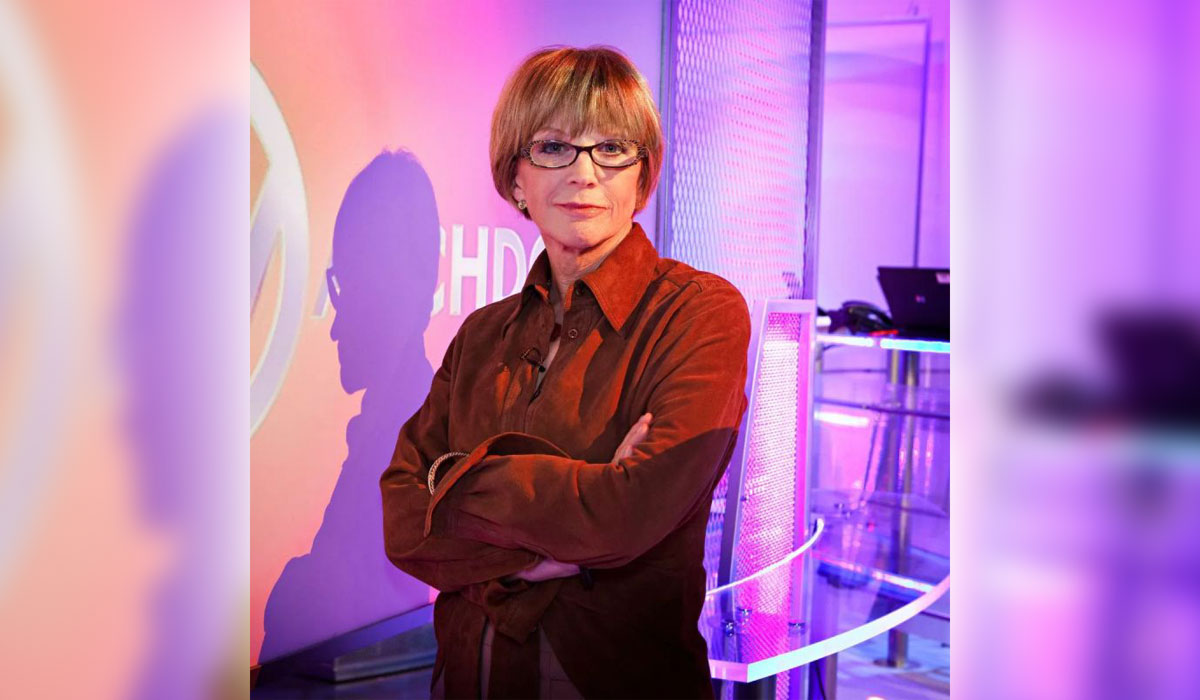
What I learned from Anne Robinson…

Anne Robinson

I worked with Annie Robinson from the late 90s, initially as a researcher at BBC Watchdog.

What you see with Annie, is what you get in real life. She is tough and a class act. She knows what she wants and what she doesn’t want and it’s that approach which brought her success, originally on Fleet Street (at the time a heavily male dominated world) and latterly on BBC TV.

She’s well known for her sharp wit on The Weakest Link, turning every contestant to jelly but that was nothing compared to her legendary performances on BBC Watchdog.

In every interview, she manifested the ‘killer opening question’, and I learned so much from those on camera grillings. Particularly since I sat in the chair opposite her during programme dress rehearsals, assuming the role of the company spokesperson.

During live transmission, I watched as nervous leaders tried, and often failed, to hold the corporate line.

So now I media train people to assume the unexpected from the moment they walk into the studio, or even before – remember the series The Thick of It and Nicola Murray’s faux pas as she left the national newspaper interview?!

It’s true that interview styles and approaches have changed but I wouldn’t be doing my job with clients if I didn’t channel a little of my inner Anne Robinson.

What are your favourite interview moments?

How to make someone really stop and listen

How to make someone stop and listen

How do you make people stop and listen?

After years spent preparing for interviews, both asking and answering questions. And even more following the big news interviews, I wanted to summarise what makes me really listen:

1. Paint me a picture – literally. Use language with colour, imagery and stories to help me make an emotional connection with what you are talking about.

2. Vocal power. Use your tone of voice, pauses and stress on critical words, to make it feel like you’re talking directly to me.

3. Hold my hand. Lead me through what you’re saying by keeping it simple, impactful and ultimately memorable.

Image credit: Magda Ehlers