

Why AI reputational risks need cultural readiness

AI reputational risks

The biggest AI reputational risks I’m seeing inside organisations right now:

  • Deepfakes (external threat)
  • Biased or offensive AI outputs (internal threat)
  • Confidential data leaks via unsecured AI use (internal threat)
  • Misinformation amplified by AI (external threat)

I’ve advised leadership teams through all four in the last 12 months.

The fix isn’t just technical – it’s cultural and procedural.

Every team, from comms to legal to IT, needs to know their role before it happens.

Why crisis communication readiness protects reputation

Crisis communication readiness with Mangold Consultancy.

In 80% of crises I handle, the damage isn’t caused by the event itself

It is caused by what is said or not said in the first 24 hours.

I have seen small incidents spiral into national headlines because leaders guessed their way through the response.

I have also seen major crises vanish from public conversation in days because the messaging was prepared in advance.

Crisis communication is not spin.

  • It is readiness.
  • It is knowing what to say before you have to say it.

If you want that level of readiness for your organisation, we should talk now, not when the crisis has already arrived.

Why crisis retainer support changes the outcome

Why crisis retainer support changes the outcome

In the last 12 months, I’ve handled multiple crises

Some were national news.

Some were small but had the potential to get messy fast.

Every single one started with a phone call that began with an element of panic.

The longer it took for that call to come, the harder the recovery was.

With crisis retainer support, it is different.

We already know your business, your risks, and your people.
We can move in minutes instead of days.

In crisis work, speed is not a luxury. It is the difference between headlines that fade and headlines that haunt.

If you want to know how ready your business really is, let’s talk.

Why reputation in crisis communications matters

Reputation in crisis communications - you don't need to go viral

You don’t need to go viral

You need to stay credible.

The next headline won’t care how many views your last post got.

What matters is

  • Can you be trusted?
  • Are you consistent?
  • Will people believe you when it counts?

A tech founder I worked with had all the right metrics online. But when their product failed and the media called they froze.

The polish cracked. The trust dropped.

In crisis comms, reach is nice. But reputation is everything.

Build that. And everything else follows.

What the **** is crisis communications and does your business need it?

Storm

A crisis can strike any business at any time.

Whether it’s a PR mishap, a data breach, or an operational failure, how you
handle the situation can make or break your reputation and have a dramatic
financial impact.

That’s where crisis communications come into play.

It involves preparing for and responding to unexpected events that could harm your organisation’s reputation. It’s about delivering clear, consistent and timely messages to everyone you need to talk to from employees to customers to the public.

But do you really need it?
● Is your business really likely to face a crisis?
● Will it even get media/social attention?

I say, yes. Every business needs to prepare for a crisis.

Here’s how it will help:
● Protect your reputation: a well-managed crisis can defend and even enhance your brand’s reputation.
● Maintain trust: keeping people informed shows transparency and builds trust.
● Minimise impact: quick, strategic responses can mitigate the negative effects of a crisis.
● Ensure continuity: effective communication helps maintain business operations and morale during turbulent times.

In uncertain times, having a solid crisis communications plan isn’t just an option – it’s a necessity.

Is your business prepared to handle the unexpected?

Counting the cost of a reputational hit

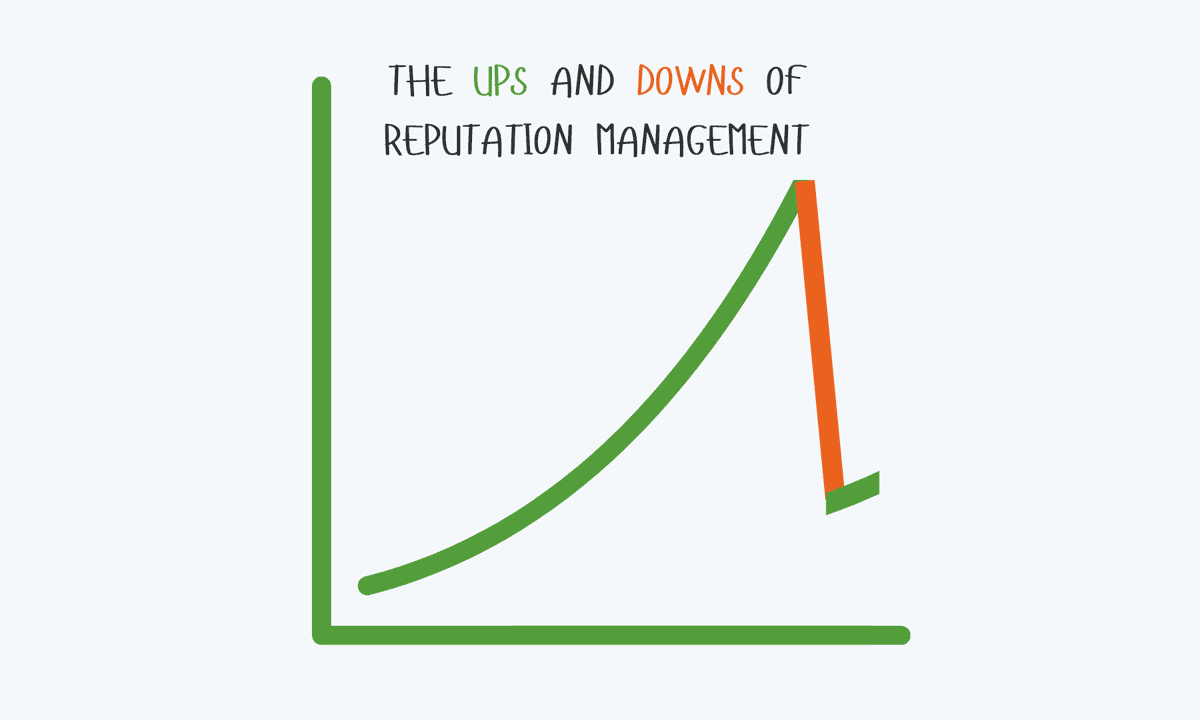
Ups and downs of reputational management

Building a company’s reputation is a long-term investment which takes years of consistent effort, trust-building, and strategic communication. But the destruction of reputation happens in a matter of moments. We thought we’d take a closer look at how investment in crisis communications and risk preparation reduces the impact of a reputational hit.

Building a reputation: The value of long-term effort

1. Consistency and Trust:
– Years of reliable performance, transparency, and delivering on promises

2. Quality and Excellence:
– Continuous provision of high-quality products or services and maintaining high standards

3. Positive Relationships:
– Nurturing relationships with customers, employees, and the wider community

4. Strategic Communication:
– Regular, strategic engagement and storytelling to highlight successes and values

5. Resilience and Adaptability:
– Demonstrating strength in handling challenges and adapting to changes

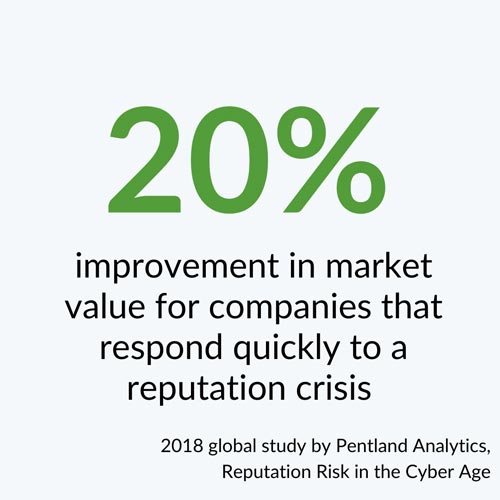
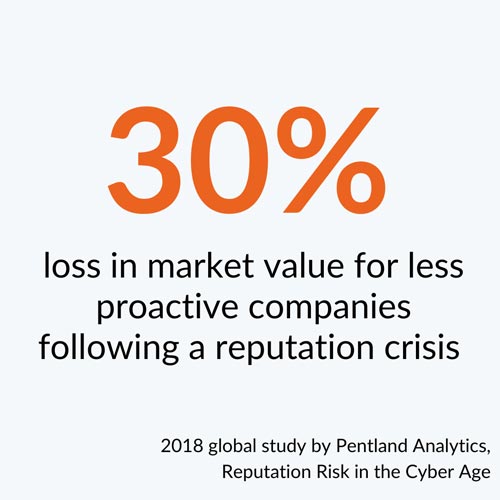
According to research from Pentland Analytics (pdf), companies recover from share-price losses faster when senior management communicates with stakeholders swiftly and launches an active program of social responsibility that directly addresses the damage associated with the crisis.

20% improvement in market value 30% Loss in market value

Don’t waste years of hard work. Prioritise proactive reputation management and effective crisis communication to protect your brand integrity.

To help you we’ve created a tool to discover how safe your company’s reputation really is. Think of it as the first step of a Reputation Audit.

To take a look, please visit our Reputational Audit page.

Baftas, Bags and B Corp

Bafta is axing celebrity goody bags from this weekend’s ceremony. Opting instead for gifting wallets made from recycled plastics.

Bafta is axing celebrity goody bags from this weekend’s ceremony. Opting instead for gifting wallets made from recycled plastics. It’s a timely plot twist to the 2020 award season. The buzz of a new bag – the colour, the look on the arm, the cramming of essentials into one place, is the ultimate pleasure purchase. But against heightened ethical and environmental consumer standards, is it possible for a Tote to do greater good?

Continue reading “Baftas, Bags and B Corp”

Managing Reputation – Warning strong stomach required to read on

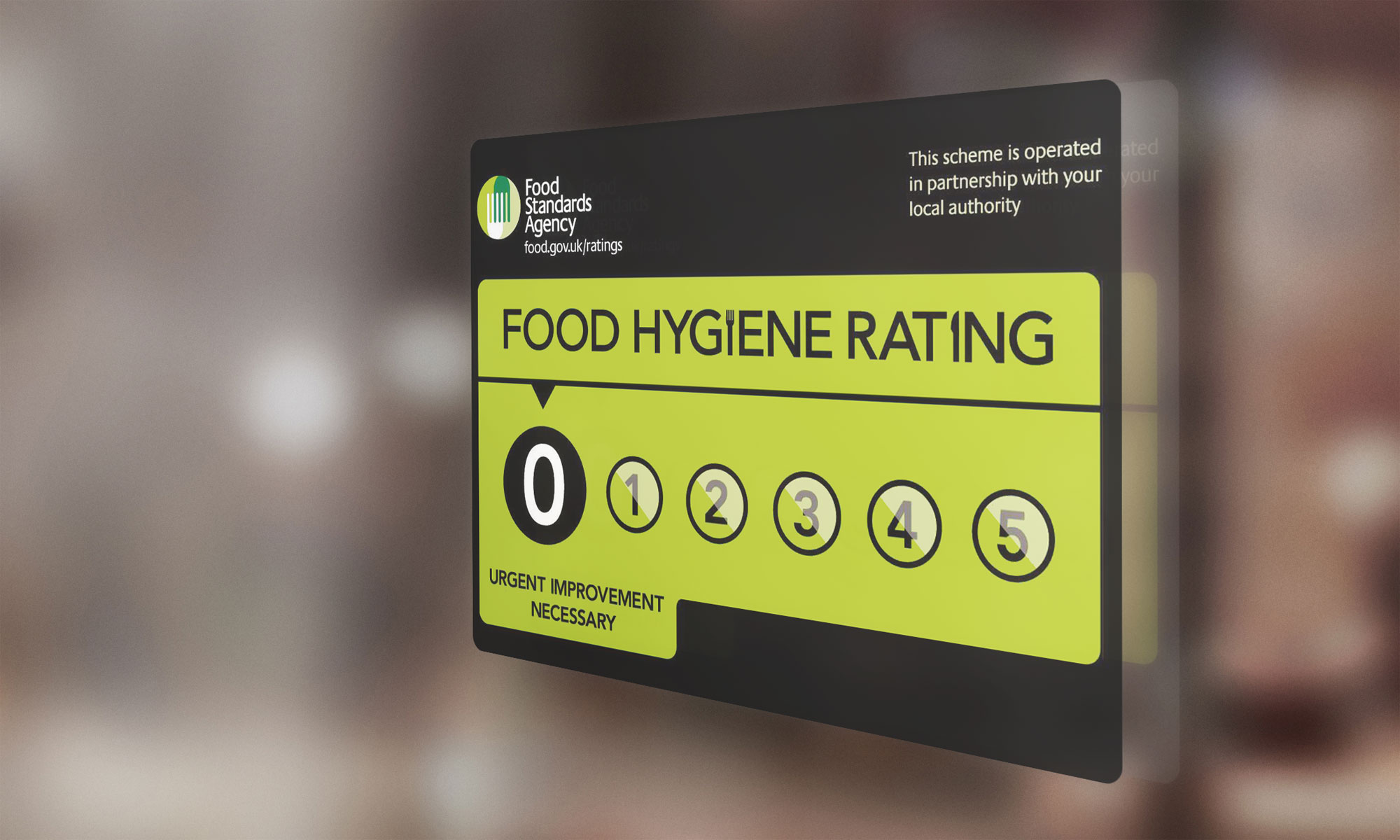
zero food standards rating

In among political break-ups and breakaways, a commitment to clean up take-aways is hardly big news – at first glance.

And yet the pledge by Just Eat to remove any of the 29,000 UK restaurants registered with them, who score a zero food hygiene rating, gives food for thought. The food ordering app is investing £1m in hygiene and safety standards. Restaurants that fail to make the grade by 01 May will be kicked off the app and any new entries must score ‘generally satisfactory’ for hygiene.

Continue reading “Managing Reputation – Warning strong stomach required to read on”

Reputation management – where any business (big or small) should start from

Reputation Management Mangold Consultancy

Regardless of its size or influence, every business needs to establish and maintain a good reputation for the sake of its customers, employees and future existence. But if global superbrand Facebook struggles to manage it, what hope is there for smaller companies who don’t have millions to spend on corporate communications support and media training? Follow this starter guide to reputation management and a million pound budget won’t be necessary.
Continue reading “Reputation management – where any business (big or small) should start from”

Why Small is Beautiful in a Social Media Crisis

Bug on Leaf

The commitment involved in starting a new business is phenomenal. Winning new contracts, wooing clients, honing your product and getting your name out there. Building a reputation demands time, attention to detail and preparation.

The 100% organic skincare line launched by one beauty innovator had been long in the planning. Products that were clean, kind and ethically sourced – all grounded in an “on-trend” concept, aimed at legions of health and wellbeing devotees. And as the range gained traction, tweets, likes and shares, everything seemed to be on track. But just as the business plan was exceeding year one expectations, a supplier down the chain was exposed for using non-organic base ingredients. The same ingredients now found in the 100% organic skincare line. One negative review became two. Malicious tweets followed and libellous Facebook posts began to unpick hard earned customer loyalty and reputation. Continue reading “Why Small is Beautiful in a Social Media Crisis”