
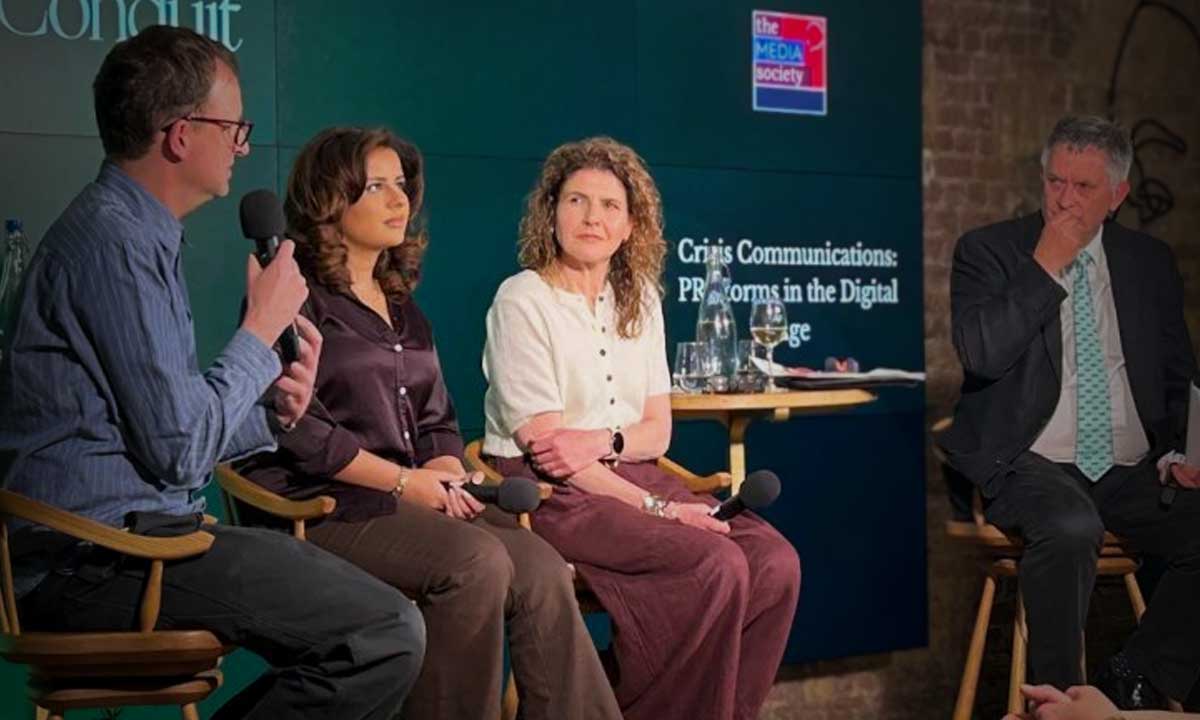
I wrote an article for The Media Society on why crisis communications orthodoxy is no longer working.
The old rulebook assumes crises happen one at a time. That you’ll have time to establish facts, gather your team, and carefully plan your response. That internal comms will reach employees before they see it on X.
None of that is true anymore.
I’ve watched this pattern in dozens of simulations: organisations handle the first crisis competently. Then we introduce a second issue twenty minutes later: a regulatory inquiry whilst managing employee grievances, social media escalation coinciding with media pressure. The collapse happens predictably.
The problem isn’t the plan. It’s that we’ve prepped for an environment that no longer exists.
Crisis communications now happens in a permacrisis era where disparate crises interact, where misinformation spreads six times faster than truth, where one social media post can catapult you into immediate crisis mode.
Documents can’t think. They can’t adapt to unanticipated conditions. It’s people who manage a crisis, and they need to be ready.
What needs to change:
- Practice with your people regularly
- Use tech as your 24/7 team member for monitoring
- Simplify – decision-making committees are the enemy in a crisis
- Prepare spokespeople for difficult questions, not the ones they’d like to be asked
- Own your social media spaces before the crisis hits
The full article is on The Media Society Substack.
If your crisis plan still assumes one issue at a time, it may be worth pressure testing it against something closer to reality. Get in touch to talk about crisis planning and preparation, or find out more about running a simulation with your team.