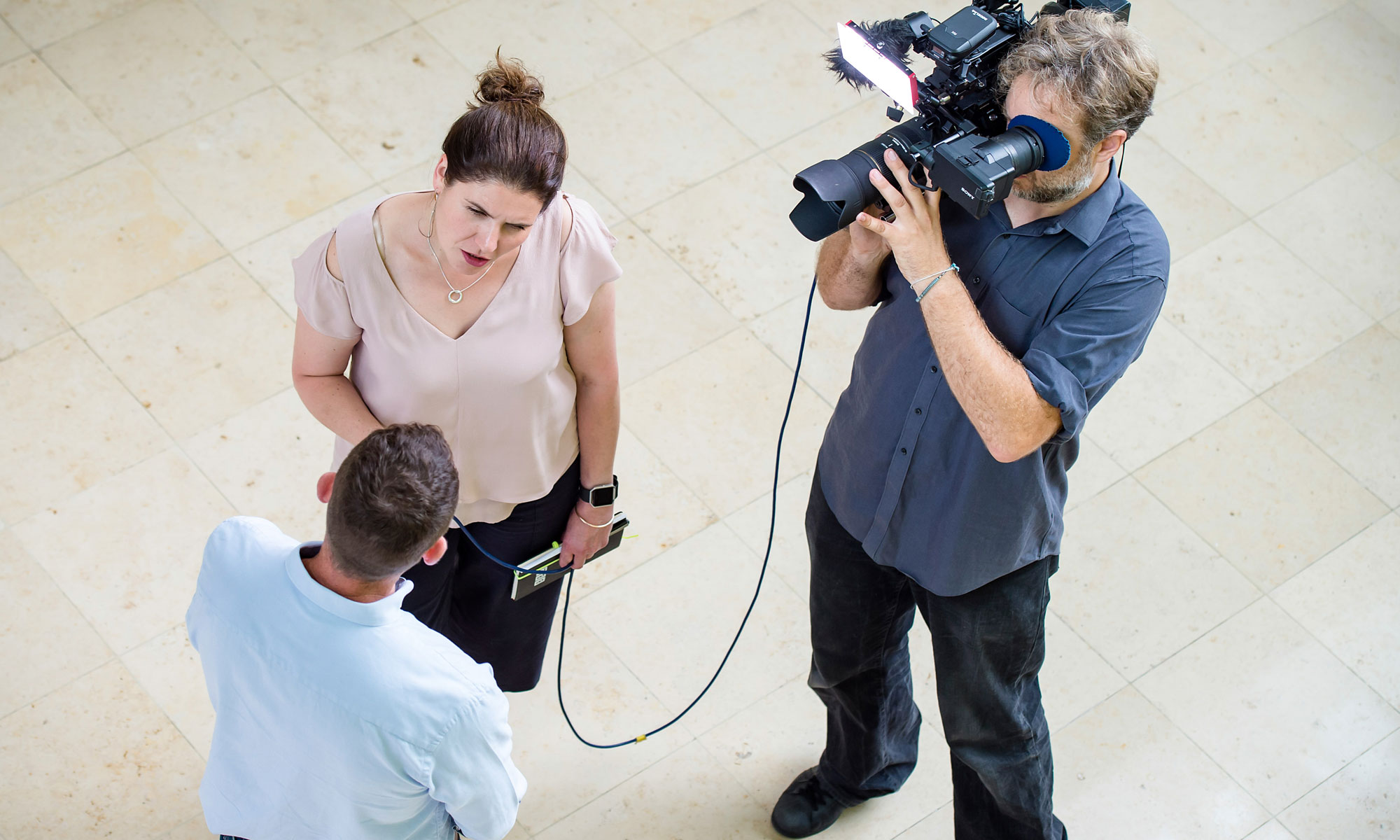

How to turn a visit from a film crew into a WIN
Your PR team has struck gold
A TV news crew are on their way…..what do you do?
Here are my tips to stop a TV filming opportunity turning into a disaster
News items and blog posts relating to the services provided by the Mangold Consultancy.
Our key service are Crisis Management, Corporate Communications and Media Training
For details on the specific services we provide, please visit the main Mangold Consultancy Services page.
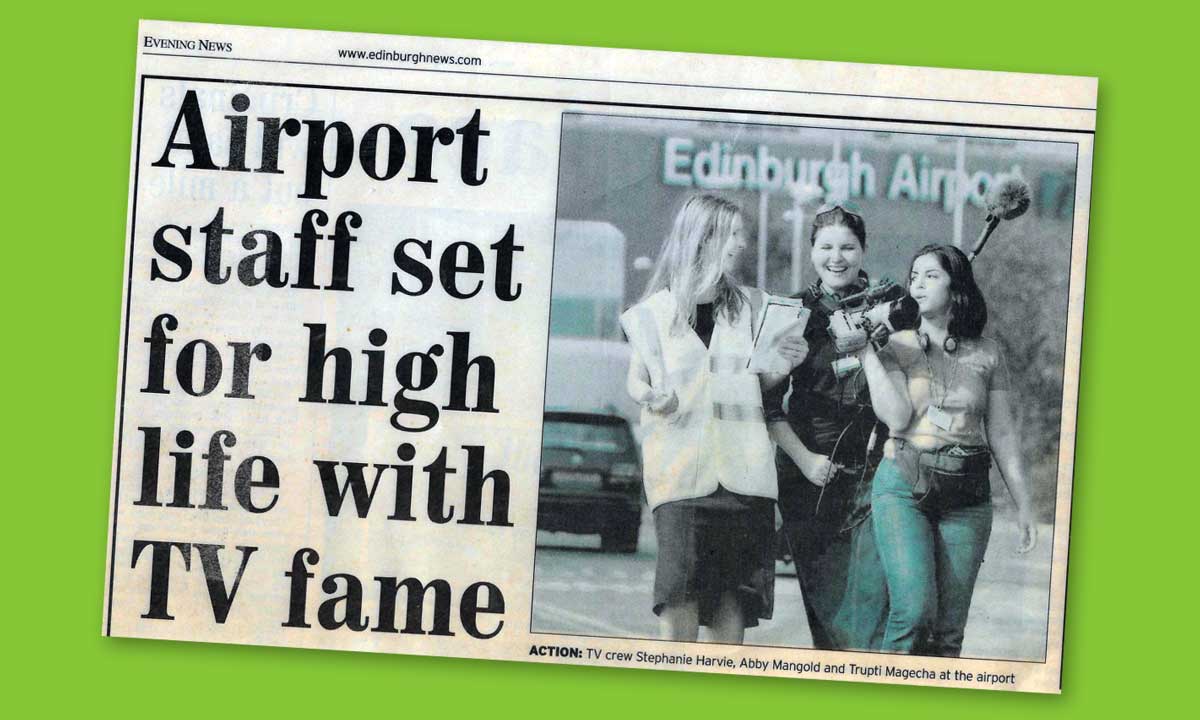
How to turn a visit from a film crew into a WIN
Your PR team has struck gold
A TV news crew are on their way…..what do you do?
Here are my tips to stop a TV filming opportunity turning into a disaster
I worked with Annie Robinson from the late 90s, initially as a researcher at BBC Watchdog.
What you see with Annie, is what you get in real life. She is tough and a class act. She knows what she wants and what she doesn’t want and it’s that approach which brought her success, originally on Fleet Street (at the time a heavily male dominated world) and latterly on BBC TV.
She’s well known for her sharp wit on The Weakest Link, turning every contestant to jelly but that was nothing compared to her legendary performances on BBC Watchdog.
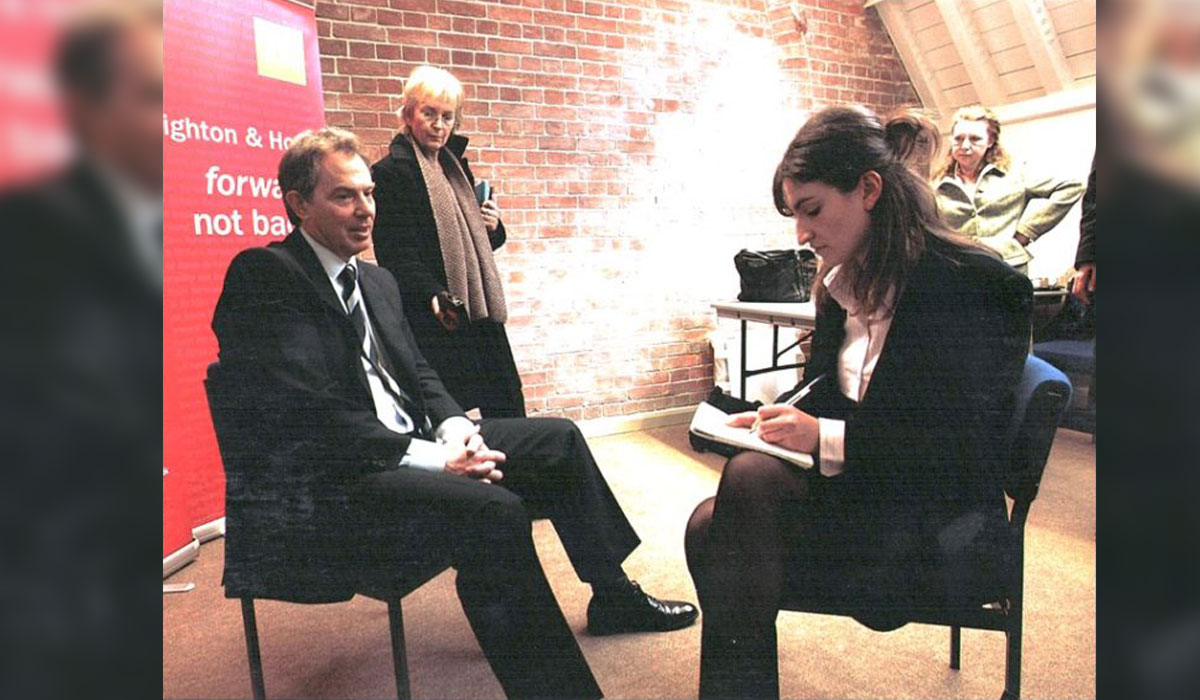
In every interview, she manifested the ‘killer opening question’, and I learned so much from those on camera grillings. Particularly since I sat in the chair opposite her during programme dress rehearsals, assuming the role of the company spokesperson.
During live transmission, I watched as nervous leaders tried, and often failed, to hold the corporate line.
So now I media train people to assume the unexpected from the moment they walk into the studio, or even before – remember the series The Thick of It and Nicola Murray’s faux pas as she left the national newspaper interview?!
It’s true that interview styles and approaches have changed but I wouldn’t be doing my job with clients if I didn’t channel a little of my inner Anne Robinson.
What are your favourite interview moments?
What do we actually offer?
That’s a big question that we explore often: what makes us and the business, Mangold Consultancy, different to any other crisis comms and media training consultancy?
We have many USPs but the two main ones are that we’re journalist-led and insight-driven.
Let me explain.
– With over 25 years of experience in journalism (BBC, national newspapers and regional media), social media, politics and communications, we provide unique insights into how the media works.
– We can identify and anticipate solutions to potential issues before they arise and bring a cynical journalist’s perspective to our work, always questioning communications to ensure credibility.
– Over the last decade, we’ve honed our approach based on client needs and the ever-evolving social and media landscape.
– Senior leaders find peace of mind knowing that we have faced challenging situations as both journalists and communications specialists.
– Our experience and resilience allow us to ask the tough questions necessary for complete crisis preparedness and management.
Why does this matter?
It’s a fact that no organisation is too big to get it wrong. Many of the largest ones miss the most obvious issues. Near misses and tragedies often stem from a weak culture or lack of prep.
That is why we put our all into preparation, covering every scenario to ensure our clients feel fully equipped and ready for any situation.
At Mangold Consultancy, we’re passionate about helping organisations communicate effectively and manage their reputations. Our insight-driven, journalist-led approach ensures our clients are always prepared, credible and resilient.
Some thoughts from Abby Mangold on what makes an apology work…
I’ve honed my craft working with and listening to journalists.
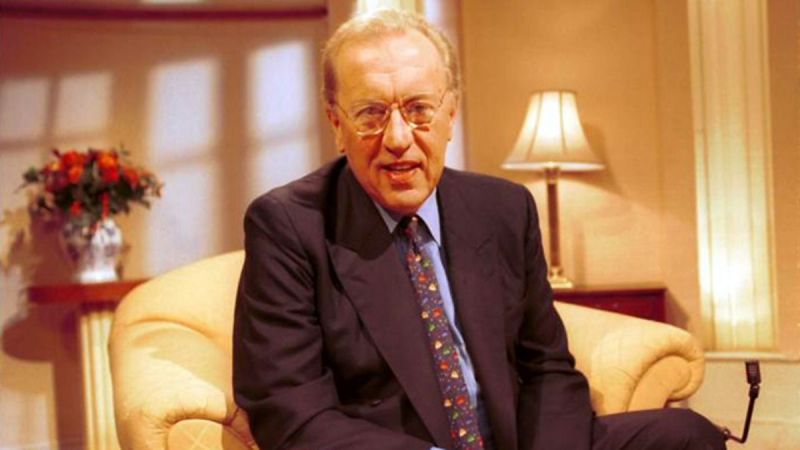
My most valued moments? One of them has to be working with David Frost on Breakfast With Frost.
His mantra was to ‘Make Every Word Count’.
New to BBC TV in 1997 with very little experience, I was fortunate to learn so much by being in the presence of this TV giant.
As a programme runner I got to watch him reviewing every script, red penning superfluous words. It is forever burnt into my memory.
And today preparing communications in a crisis, I remind myself to ‘be more David’ and chuck out every syllable that doesn’t reinforce what needs saying.
Where do you need to “be more David”?
Quite an odd statement to make but with all the experience I had during 15 years at the BBC and my time since then working on the other side of the media in crisis comms – I eat, sleep and breathe interviews.
My sister, Jess Mangold, is the same after years as a print journo. We’re both voracious consumers of news, media and social content.
And of course it helps growing up with a Dad in the business, where dinners are filled with ferocious debate about current affairs.
Listening to big interviews constantly, across a range of formats and setups, we digest and analyse content and ask did that work? What went wrong? Why did they approach the interview that way?
Take the infamous example of BBC Newsnight, Emily Maitlis and Prince Andrew. The work put into that – the preparation by the team including the fabulous Sam McAlister, meticulously researching and investigating – made for a jaw dropping interview. It’s not about attacking the interviewee as some have done in the past, it’s all about the preparation.
I approach every challenge from the perspective of a journalist and that’s how I deliver for my clients.
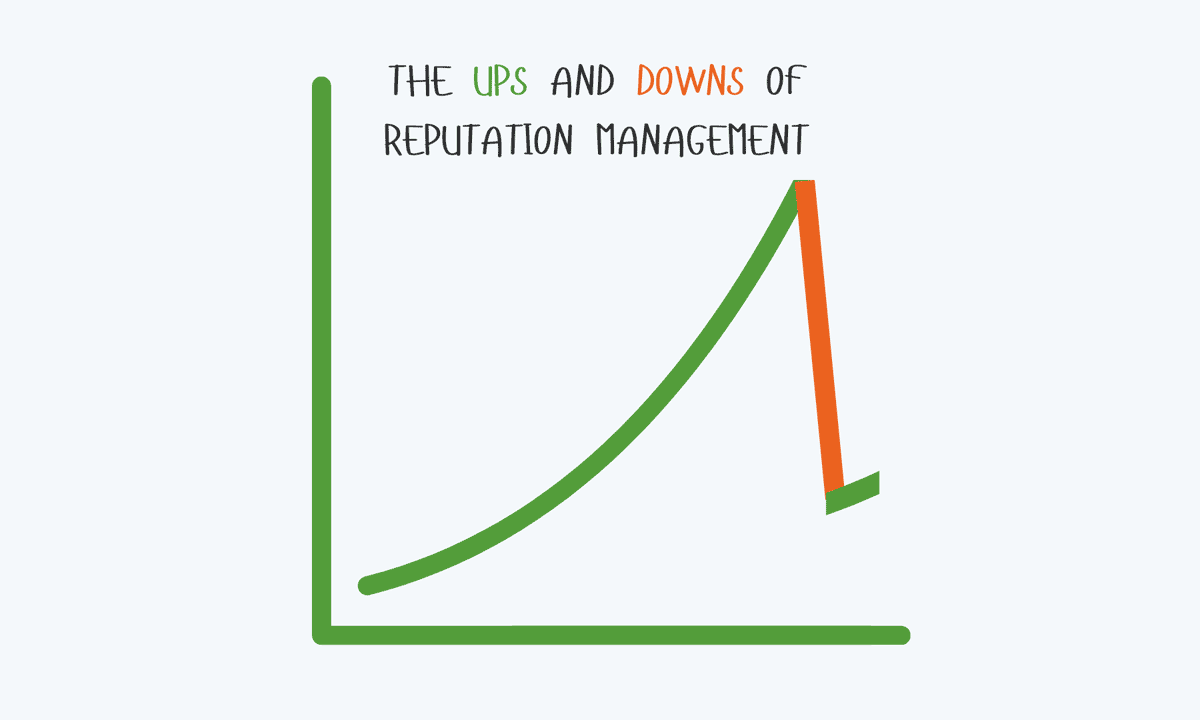
Building a company’s reputation is a long-term investment which takes years of consistent effort, trust-building, and strategic communication. But the destruction of reputation happens in a matter of moments. We thought we’d take a closer look at how investment in crisis communications and risk preparation reduces the impact of a reputational hit.
1. Consistency and Trust:
– Years of reliable performance, transparency, and delivering on promises
2. Quality and Excellence:
– Continuous provision of high-quality products or services and maintaining high standards
3. Positive Relationships:
– Nurturing relationships with customers, employees, and the wider community
4. Strategic Communication:
– Regular, strategic engagement and storytelling to highlight successes and values
5. Resilience and Adaptability:
– Demonstrating strength in handling challenges and adapting to changes
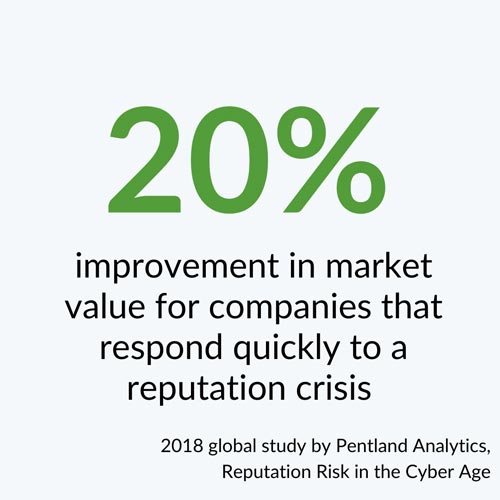
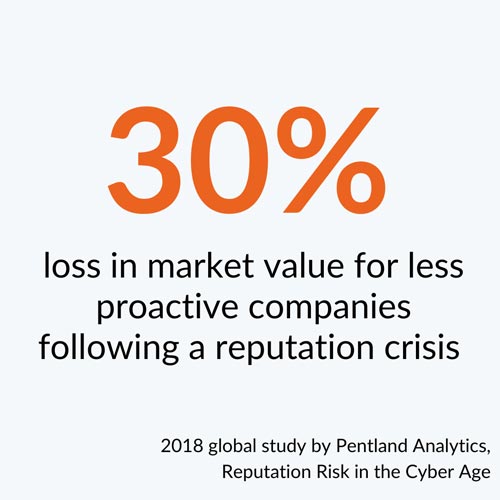
According to research from Pentland Analytics (pdf), companies recover from share-price losses faster when senior management communicates with stakeholders swiftly and launches an active program of social responsibility that directly addresses the damage associated with the crisis.

Don’t waste years of hard work. Prioritise proactive reputation management and effective crisis communication to protect your brand integrity.
To help you we’ve created a tool to discover how safe your company’s reputation really is. Think of it as the first step of a Reputation Audit.
To take a look, please visit our Reputational Audit page.
Media training is often misunderstood.
How many of the following would you say are true?

All of the above are in fact FALSE.
Let us explain why and set the record straight on a few other misconceptions.
Learn more about our media training services here or contact us to find out more.
Having sent undercover BBC camera teams into food businesses and having produced many programmes on failing food and production standards, we know what visiting journalists look out for on busy production lines. And the good, the bad and the ugly discoveries that can undo reputations.
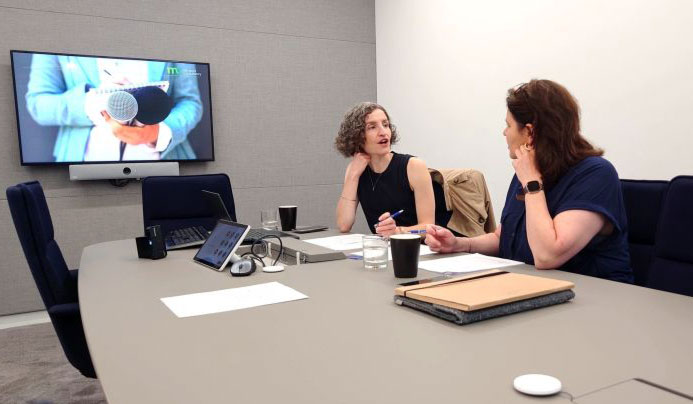
But done in the right way, inviting cameras in can be a big win. Ahead of filming for BBC Inside the Factory, we visited one client’s production floor, before the crew and host Greg Wallace arrived.
Using our documentary maker’s mindset and an experienced camera operator, we spent the day filming with each team member on location giving them on camera experience and answering questions in the busy factory.
This hugely successful British snack company knew a prime-time TV slot was a huge opportunity, requiring careful prep to showcase the brand and its people. How did we help?
As the PR and marketing lead said: “Abby and her team put everyone at ease. The thought and preparation they’d put into the session meant that we got straight on with focussing on the team and making sure they had the practice and insight they needed to speak with confidence.”
Similarly, Channel 4’s Food Unwrapped asked to film with one client in their European factory. It was not an easy decision so our client asked us to help them take their assessment to the Executive Management Team.
First we:
Next we:
The client was thrilled with the final result which showed their manufacturing standards, their people and their brand in very good light.
Undercover filming is a very different experience but whether positive or negative we know how to advise, support and work with clients to achieve the best outcome possible because we’ve been on both sides of the camera.
How do you live through crises?
You know, the ones in real-time, vivid colour, surround sound, no let up.
When I talk about living through crises, plural, I mean it. The horse meat scandal was one.
Back in 2013, relatively new to crisis communications, my brief was to support a client facing the force of media scrutiny, after processed beef products sold by UK supermarkets were found to contain horse meat.
Rooted to one room, the phone an extension of my ear, time dictated by challenging media calls, social media chatter and client needs – it was the most exceptional 10 days of my life.
I discovered:
If you want to talk lived crisis experience, please give me a shout.
I’m told it’s time for a (re)introduction.
Press play and let me begin!
How do you make people stop and listen?
After years spent preparing for interviews, both asking and answering questions. And even more following the big news interviews, I wanted to summarise what makes me really listen:
1. Paint me a picture – literally. Use language with colour, imagery and stories to help me make an emotional connection with what you are talking about.
2. Vocal power. Use your tone of voice, pauses and stress on critical words, to make it feel like you’re talking directly to me.
3. Hold my hand. Lead me through what you’re saying by keeping it simple, impactful and ultimately memorable.
Image credit: Magda Ehlers
And I know lots of people feel exactly the same way.
Given that I train others how to speak on camera I’ve forced myself to take my own medicine and now – I’m actually starting to enjoy it, a little!
Here’s what I’ve learnt and what you need to know…
Check out our shrink-wrapped media training tips.


Get in touch with us for the full-fat version of our media training tips or to discuss your requirements via our contact form.
Watch this for a simple and effective way to communicate in a crisis.
🤗 Huge congratulations to our 4 fabulous clients recognised as inspiring industry leaders. Well-earned, richly deserved.
👀 Discretion prevents a public shout-out, but you know who you are!
For clients on the journey to awards, our media training is still a win – why?
💭 Reconciling opposing views in the office
👊 Confidence to answer difficult questions in front of an audience
⚖ Diplomacy to find centre ground in a professional stand-off
🏋♂️ Clarity to sell strengths in a VIP meeting
👉 Media training is a recipe for success in these situations and more.
🐶 Thanks to Betsy for wearing her award with such good grace.
Don’t read this if you’re a loser…
Every time you stand up to present in front of peers or strangers, you should practice.
Every time you agree to talk to a journalist about you or your business you should practice.
No great presentation came from winging it.
Good interviews don’t happen by chance.
Winners practice… don’t be a loser.
Tell your boss to watch this Space Shuttle documentary…
📢 Are you the lone voice nudging senior colleagues about crisis planning?
🤔 Are there known issues too trifling to confront amongst all the “business as usual”?
Watch ‘The Space Shuttle that Fell To Earth’ on BBC iPlayer and tell your bosses to do the same, if you want to get crisis communications at the top of the agenda.
👍 Congratulations to Mindhouse Productions, this brilliant 3-parter, sensitively told a difficult story, which among many things shows why a culture of open communication matters. And is as important as crisis preparation.
🚀 Even if you are not in the business of space flight, speaking out, seeking answers and encouraging conversations, will help avoid issues becoming devastating crises.
And give me a shout if your crisis comms nudge could do with a shoulder.
There have been some high-profile car crash interviews recently.
Make sure you’re not next.
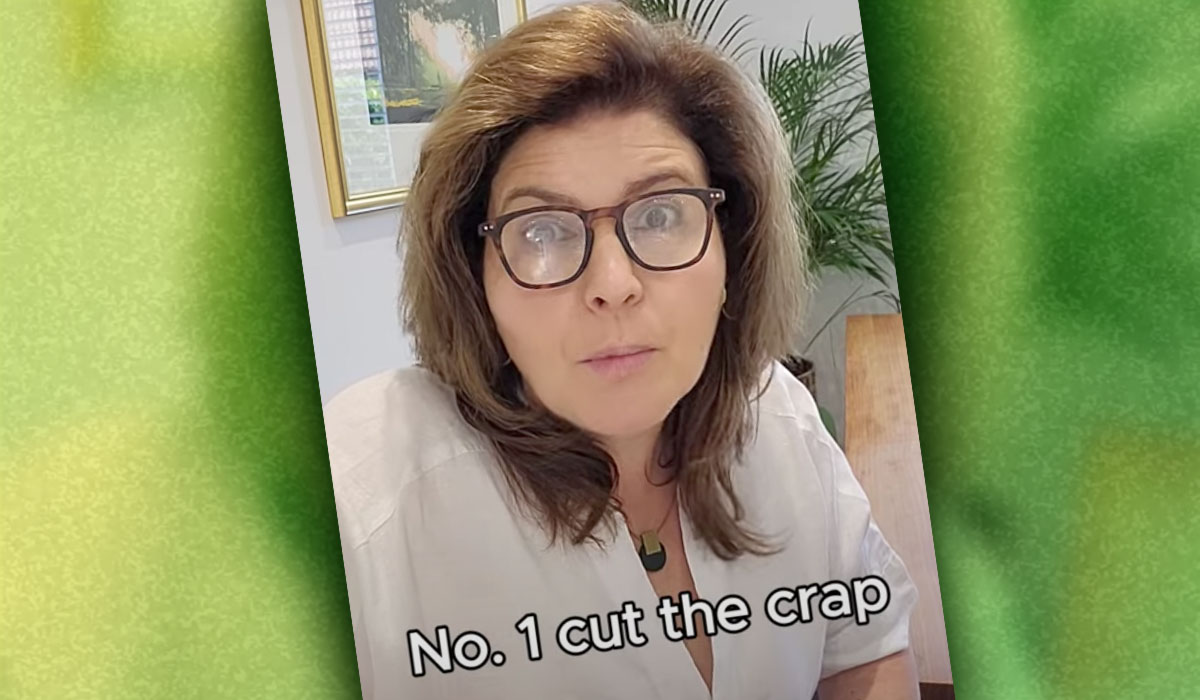
Here are my 3 Golden Rules for Interviews that every spokesperson needs.