How to know if you and your team actually need media training

Mangold Consultancy Media Training

Someone asked me recently: “How do I know if we actually need media training?”

Fair question.

Because most organisations don’t think about media training until they need it urgently. Which is usually too late to prepare properly.

So here’s my answer.

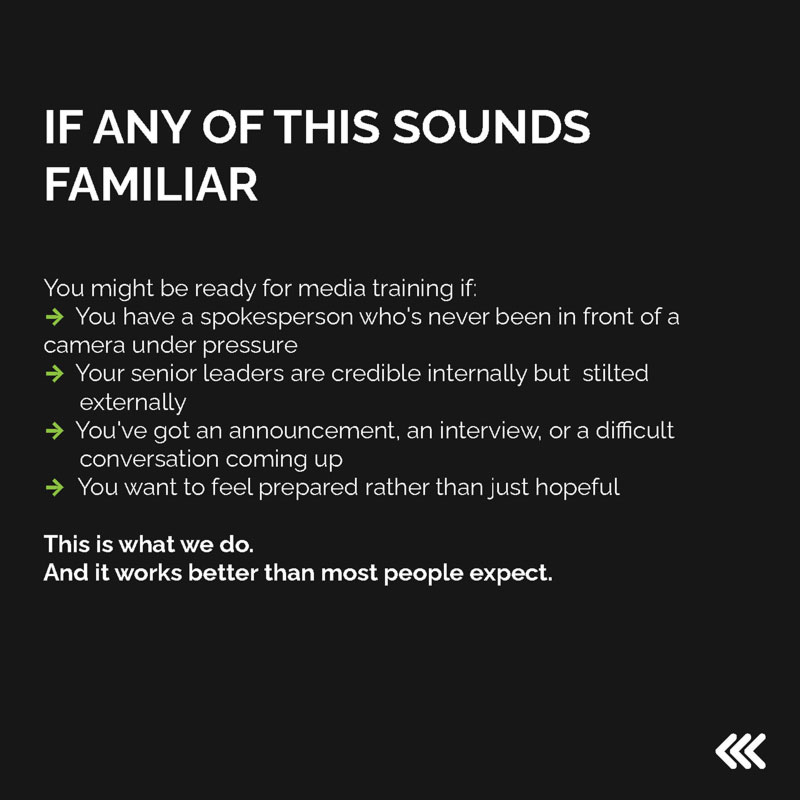
You probably need media training if any of these sound familiar:

  • Your CEO is brilliant in the boardroom but has never been on camera.
  • You’ve got a big announcement coming up and nobody has rehearsed how to talk about it under pressure.
  • Your senior team keeps saying “we should probably do some training” but it never quite happens.
  • You’ve got spokespeople who are technically expert but go blank the moment a microphone appears.
  • Someone is about to do their first major interview and you’re crossing your fingers rather than feeling confident.
  • You’re preparing for something difficult – a restructure, an incident, a sensitive topic and you know the questions are going to be uncomfortable.

If any of these sound familiar, you’re already later than you should be.

Not catastrophically late. Just late enough that it’s worth sorting now rather than waiting until it becomes urgent.

Because the difference between a spokesperson who has practised under pressure and one who hasn’t is immediately obvious.

To them. To you. To everyone watching.

The work isn’t complicated.

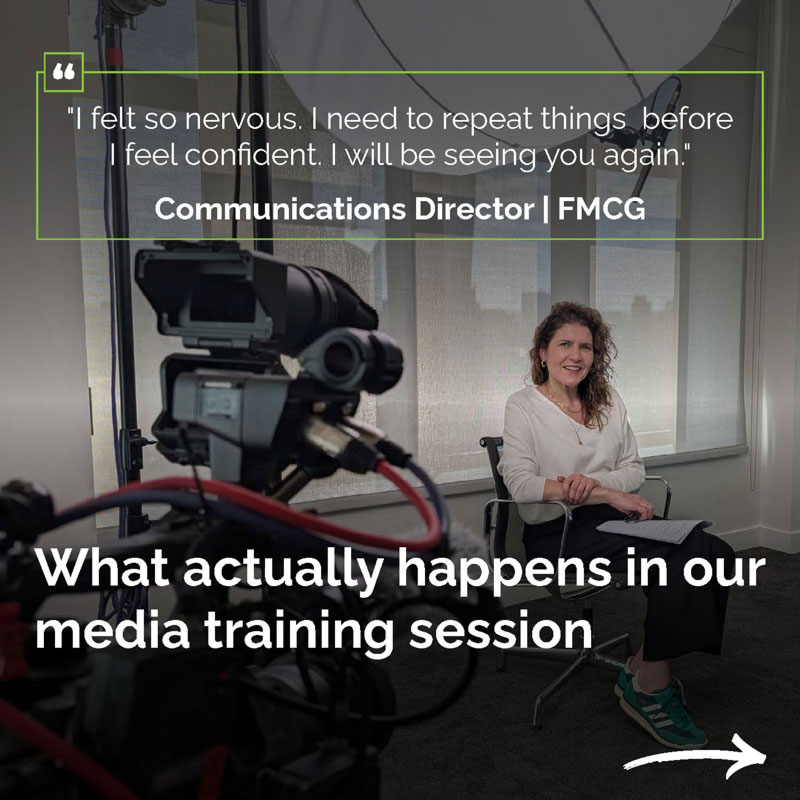
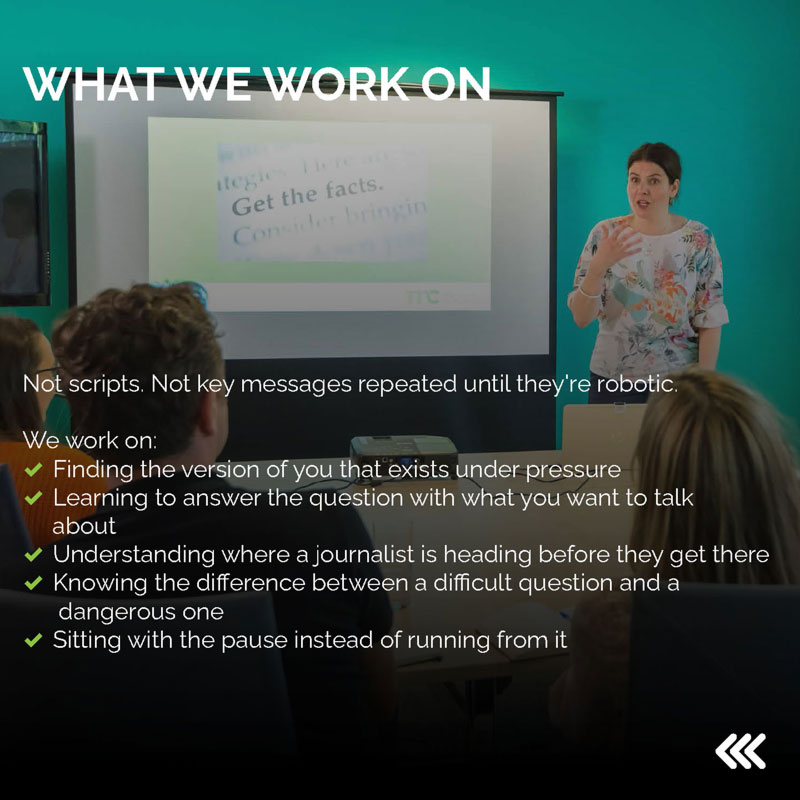
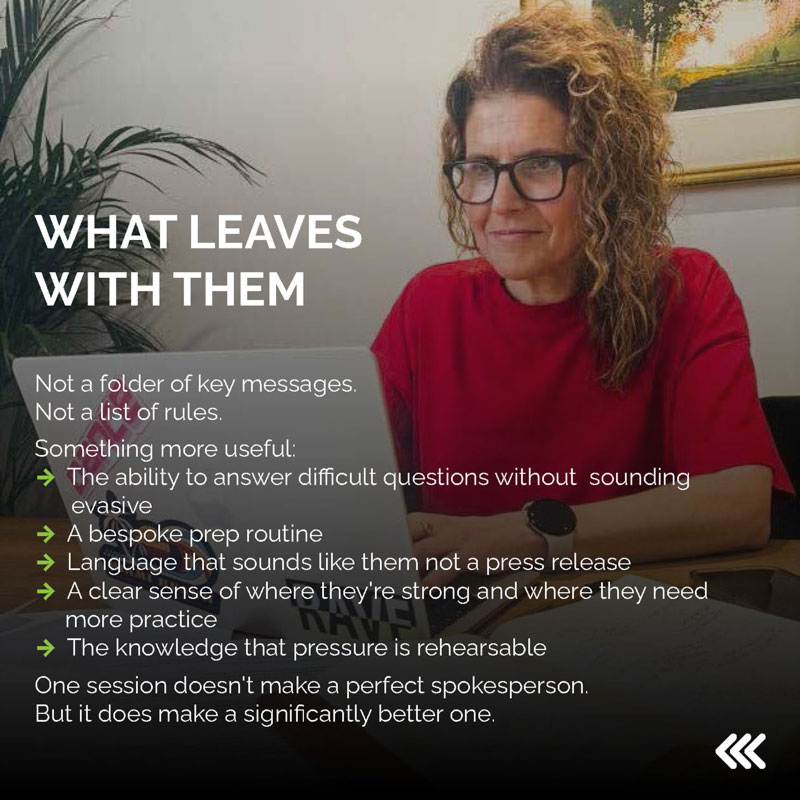
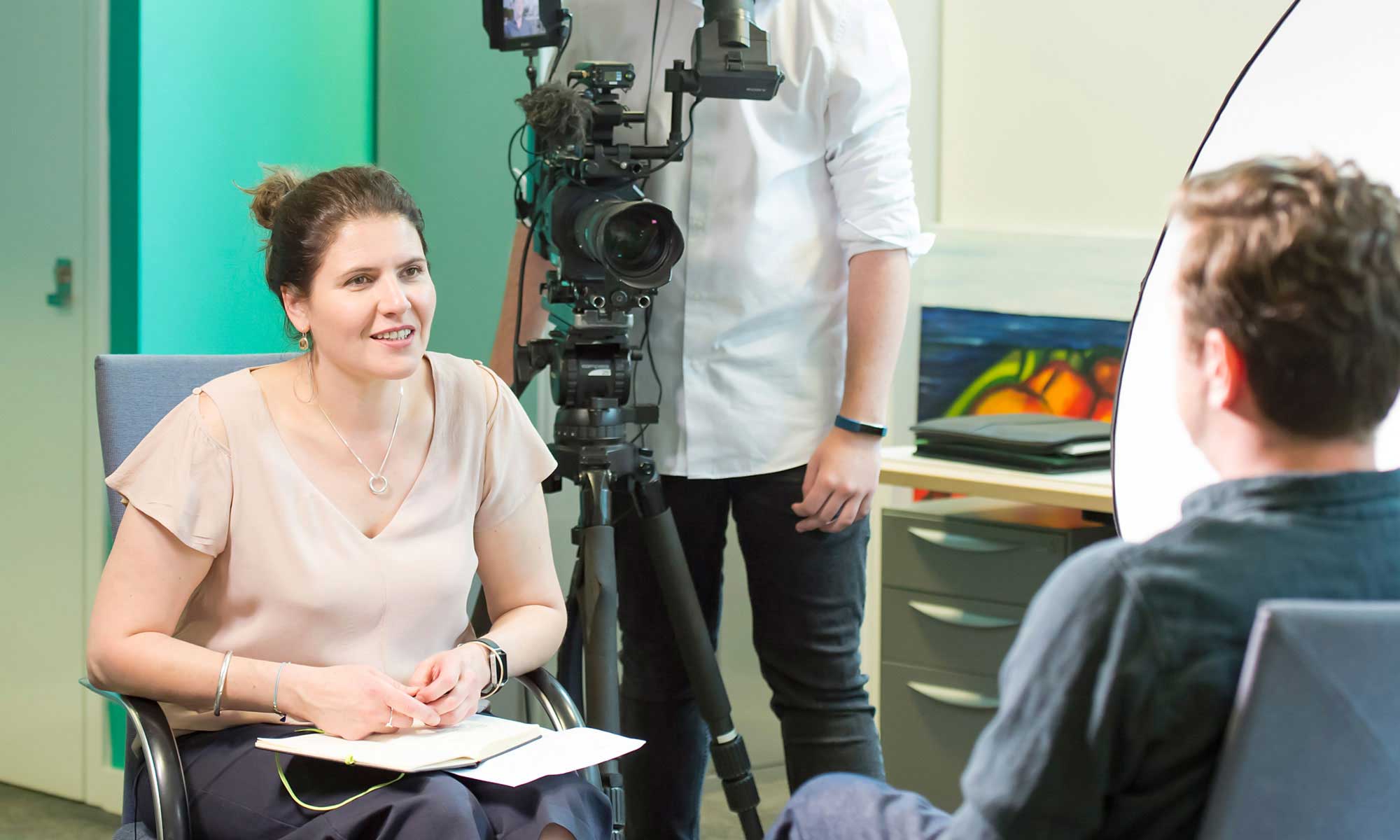
We put people in front of a camera. We ask them difficult questions. We watch it back together. We fix what’s fixable.

By the end of the day, they’ve seen themselves do it. And that’s what builds confidence – not being told they’ll be fine, but watching themselves actually do it.

If you’re in that position where you know someone needs to be ready and you’re not entirely sure they are, that’s what we do.

Worth sorting before it becomes urgent.

The best time to prepare for a media interview is before the request arrives. If you want to ensure your leaders are confident and ready for the camera, find out more about our media training and presentation skills.
How to handle difficult questions and avoid media traps

How to handle difficult questions

15 years at the BBC taught me something most spokespeople never learn: difficult questions are often only challenging because of how they are structured.

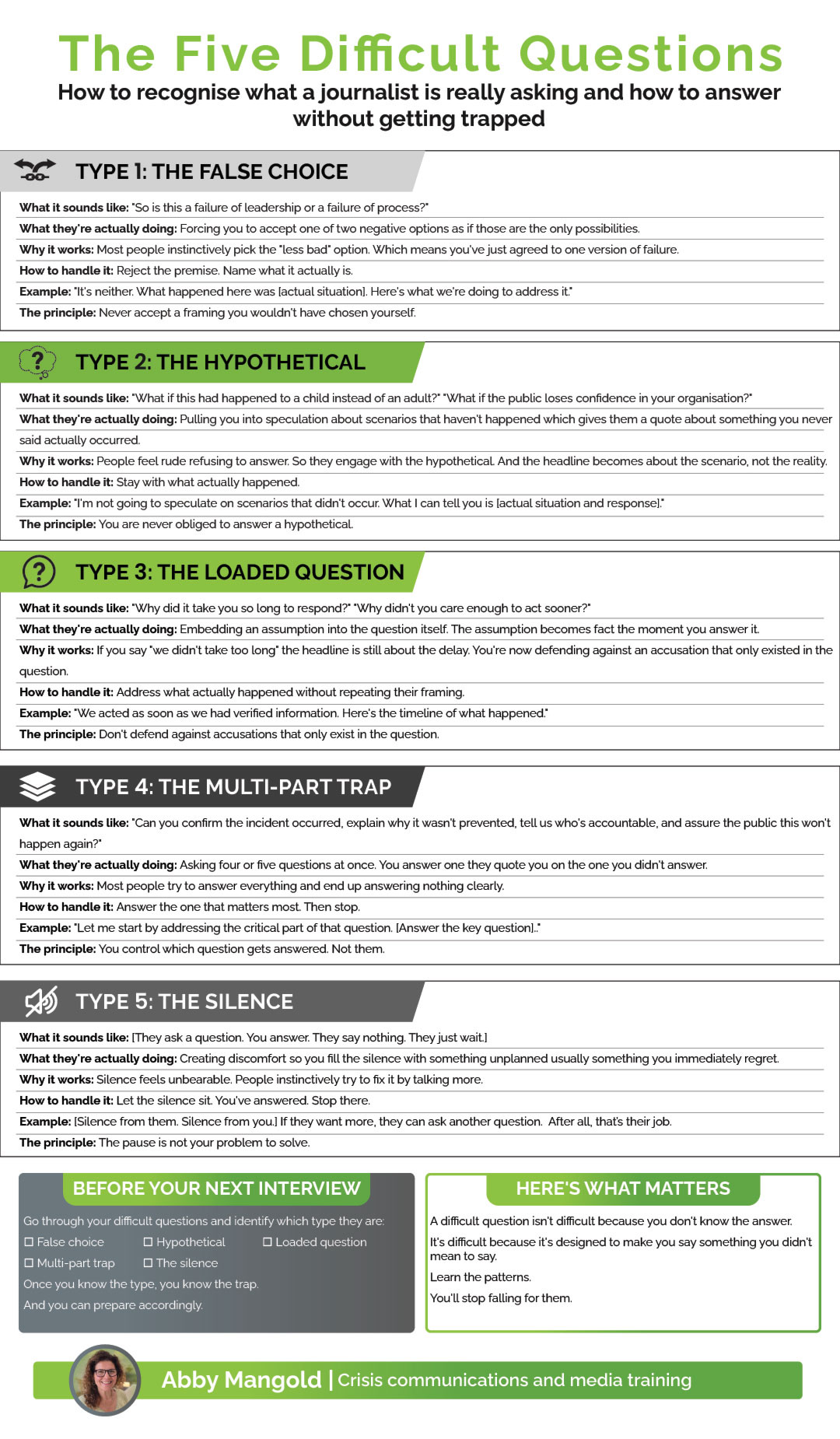
Journalists use the same question types over and over again. Once you recognise the pattern, you can see where they’re heading before they finish the sentence.

And that changes everything about how you prepare.

I’ve mapped out the 5 most common difficult questions, the ones that catch spokespeople out every single time.

Learn to spot these and you’ll stop walking into traps you didn’t see coming.

The five difficult questions

Recognising the pattern of a question is the first step toward a successful interview. If you want to practise handling the toughest enquiries in a safe environment, find out more about our media training sessions.

Overcoming the fear of media interviews through training

Overcoming the fear of media interviews

She came into the session convinced she was terrible at media interviews.

Fifteen years of experience. A genuine expert in her field.

But the moment a camera appeared, everything she knew seemed to disappear.

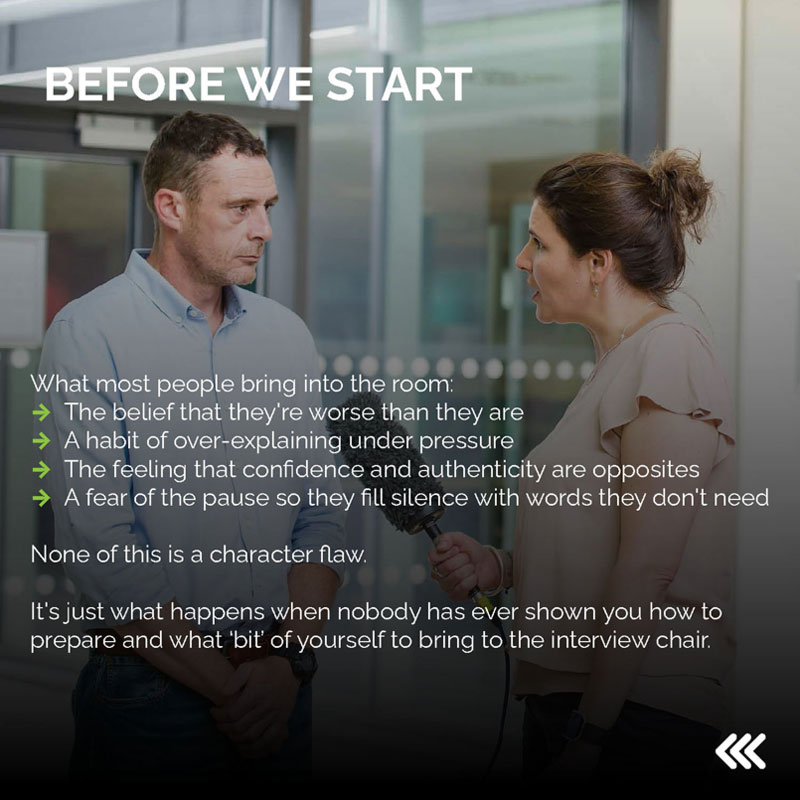
“I overcomplicate everything,” she told me beforehand. “I try to get across five points when one would do.”

At least she knew it.

What she didn’t know was why it kept happening and that it was completely fixable.

By the end of the day and the final interview, she watched herself back on camera and said something I hear more often than you’d think.

“I felt so much better prepared, and you can see that when I’m answering – such a big difference from my first interview!”

And it was.

It took just a few hours to help her find her voice.

If you or your team feel hesitant about facing the camera, our media training can help you find your voice and speak in media interviews with confidence. Please get in touch to see how we can help you prepare for your next interview.

Why spokesperson preparation is the most important part of a crisis response

The Spokesperson Brief

Most organisations spend hours perfecting a statement but overlook spokesperson preparation.

They then hand that statement to someone who has often not seen it before that morning, and wonder why the interview doesn’t land.

A statement is only as strong as the person delivering it. Which means spokesperson preparation isn’t optional, it’s the most important part of your entire crisis response.

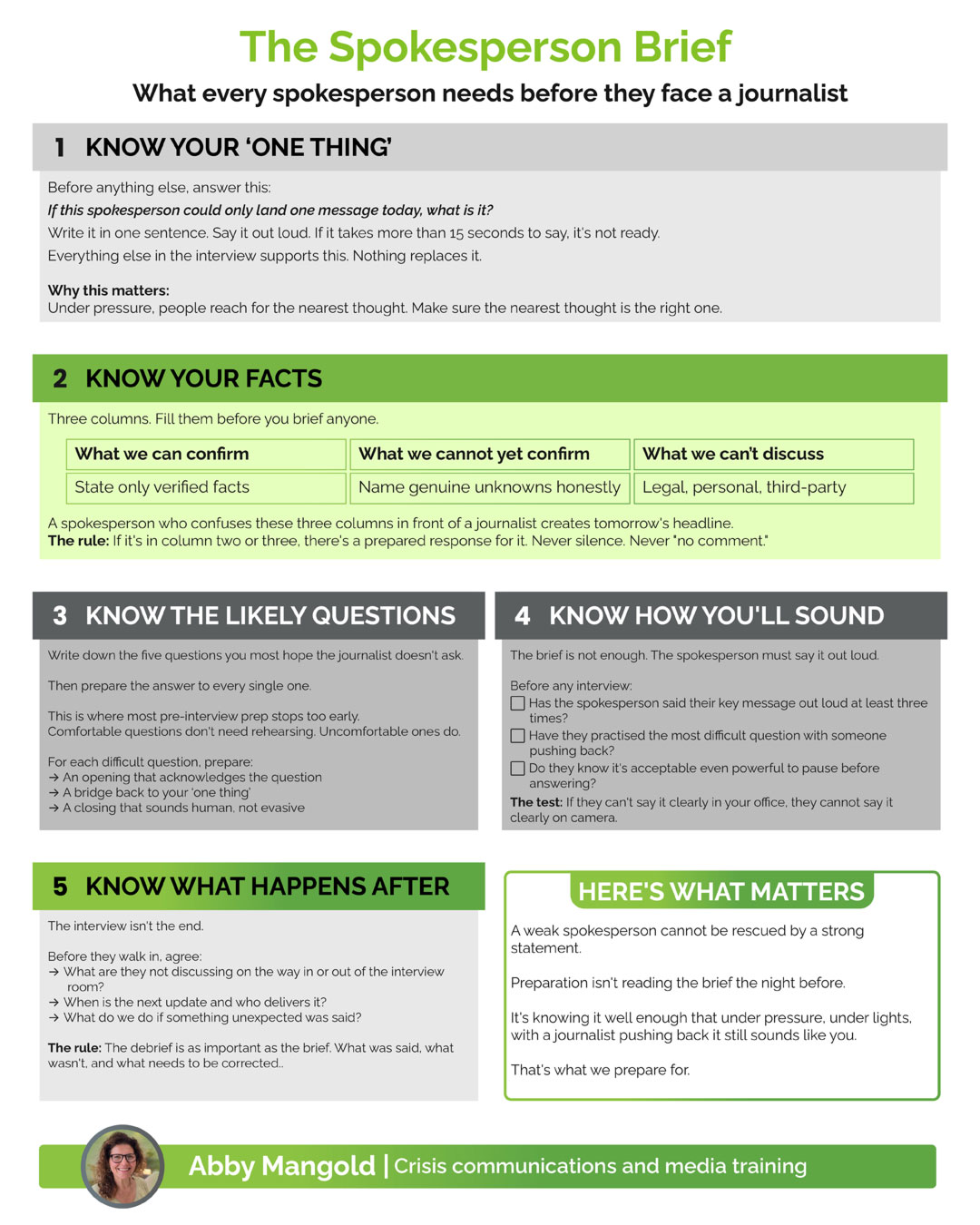
Over the years, I’ve developed a pre-interview brief I give every spokesperson before they face a journalist.

Not a script. Not a list of things to avoid. Rather, a brief that means they walk into that interview knowing exactly where they stand.

This is it.

The spokesperson brief

A strong statement is only effective if the person delivering it is ready for the pressure of a journalist’s questions. If you need to ensure your leaders are fully prepared, find out more about our media training and preparation services.