

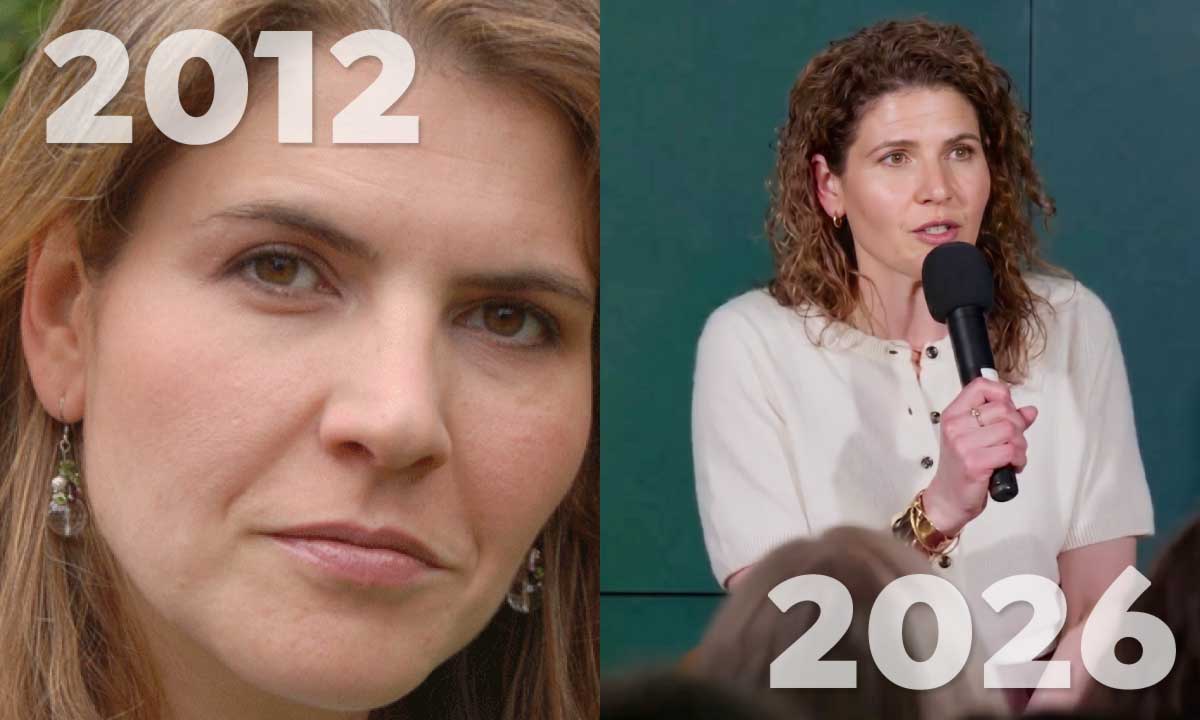
I’ve spent 14 years in crisis communications. Here are the 6 things I think matter most.
1. People manage crises not plans
I’ve watched organisations with brilliant crisis protocols completely fall apart because the person who needed to use them had never opened the document.
The CEO freezes when asked a basic question. The spokesperson defaults to jargon. The plan was perfect. The people weren’t ready.
Documents can’t think. They can’t adapt when something unexpected happens. People manage crises. And if they haven’t practiced, the plan won’t save them.
2. Credibility beats control every time
You can’t control what gets posted about you. You can’t control how fast misinformation spreads. You definitely can’t control the narrative once it’s out there.
What you can control: whether people believe you when you finally respond.
And much of that is built before the crisis hits, not during it.
3. Spokespeople need muscle memory, not talking points
One media training session doesn’t work.
People need to practice answering the challenging questions repeatedly until the response is instinctive. Out loud. Under pressure. With someone pushing back on their answers.
That’s the only thing that holds up when a journalist asks “Are you saying the customer is wrong?” and you have two seconds to respond.
4. Speed matters more than legal perfection
I get it. Legal needs to review. But by the time your statement clears three rounds of edits, thousands of people have already formed opinions based on something false.
Sometimes fast and good enough beats slow and perfect.
Not always, but typically more often than most organisations realise.
5. Monitor where crises actually start
Not The Times. Not the BBC.
Reddit threads. Industry forums. Discord servers.
That’s where your crisis is building whilst you’re watching traditional media and thinking everything’s fine.
I’ve seen this pattern repeat: the issue’s been spreading on Reddit for three days before it crosses over to X, then journalists notice, then your CEO finds out.
By then, you’re not managing the crisis. You’re fighting misinformation.
6. Pattern recognition is the real skill
I’ve run many crisis simulations. The pattern is often the same.
Organisations handle the first issue competently. Decision-making works. Communications activate. Then we introduce a second issue twenty minutes later.
The collapse happens predictably.
The crisis team becomes a bottleneck. Spokespeople freeze. Internal comms fail because employees are getting contradictory information.
That’s what you need to prepare for. Not one crisis. But at least two happening simultaneously.
14 years between these photos. Still learning.
If your organisation hasn’t pressure-tested its crisis response, now is a good time to start. Get in touch to talk through how prepared your team really is, or find out more about our crisis management and media training services.